Context Beats Creativity
🔥The quiet shift in ad platforms, Why a post-purchase flow protects revenue, and more!
Welcome to a space where every edition delivers insights, strategies, and inspiration to fuel your advertising brilliance. 🤯
Together with Lindy
Meet the AI That Actually Gets Work Done
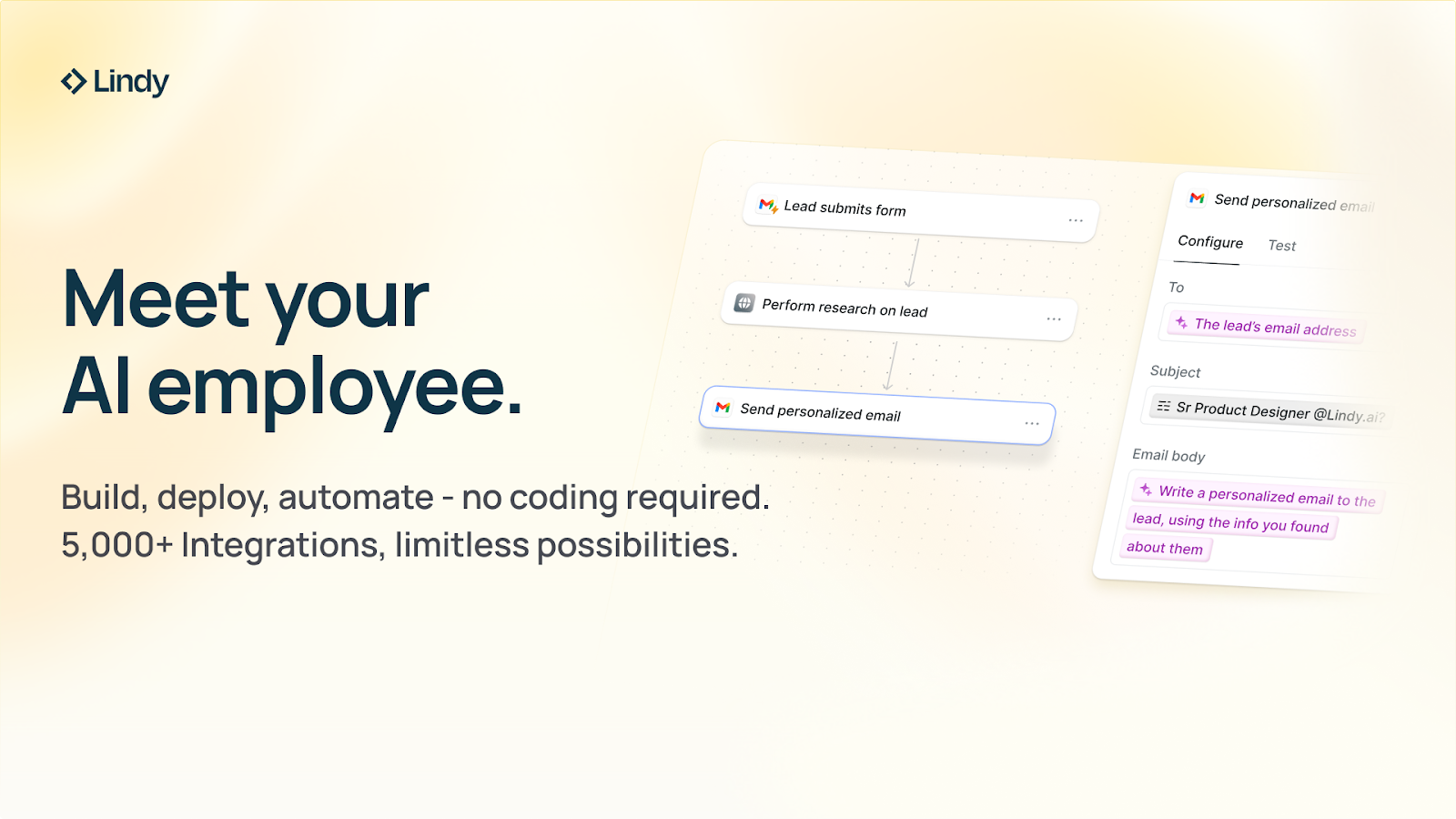
Ever wish ChatGPT could actually do the work, not just talk about it?
That’s Lindy, your 24/7 AI employee that builds, runs, and delivers without a single line of code. Just describe what you need, and Lindy handles the rest, from automating leads to managing weekly reports while you focus on growth.
- Create booking platforms and lead follow-ups in minutes
- Automate reporting, sales, and support across your stack
- Reclaim 10+ hours a week without adding headcount
Top operators call Lindy their “AI team that never sleeps,” driving faster turnarounds, fewer errors, and more profitable weeks.
Picture waking up to new leads handled, reports ready, and no missed tasks, all without hiring a single person.
Claim $20 in free credits and automate your first workflow today!
🔥 Why Context Beats Creativity in 2025
There is a quiet shift happening inside the ad platforms, one that has nothing to do with hooks, trends, or “being native.”
The algorithms have learned something dangerous. They’ve learned how to detect what emotional rhythm a user is in before your ad appears. And once you notice it, you can never unsee it.
Your best ads don’t fail because they are weak. They fail because they interrupt the mood.
Platforms now judge your ad on one question:
Does this feel like it belongs in the moment the viewer is currently in?
If the answer is no, the algorithm immediately soft-throttles it. Not because the ad is bad, but because it “breaks the flow.”
The Mood-Matching Principle
Every feed scroll is a tunnel of micro-experiences. Sometimes the user wants to be calm. Sometimes stimulation.
Sometimes answers. Sometimes companionship.
Your ad only works if it slides into that existing current instead of opposing it. This is not “native content.”
This is mood coherence, and it is what the platforms have begun to optimize for. When someone watches three soft, dreamy clips back to back, and you hit them with a loud founder monologue, the brain rejects it instantly.
Not consciously. Instinctively.
The Four Micro-Currents of the Feed
Forget demographics. Forget avatars. Forget psychographics. What matters is the emotional gear they are already in.
1. Drift Mode: Slow visuals, soft music, cozy POVs. Your ad must feel like a continuation, not a disruption.
2. Task Mode: Quick tips, fast information, list-style logic. Your ad must present value before identity.
3. Confessional Mode: Intimate angles, vulnerable tone, human truth. Your ad must sound like someone thinking out loud.
4. Spark Modem: Fast cuts, humor spikes, noise, chaos.
Your ad must hit fast enough to survive impact. This is the real reason the same creative performs radically differently depending on when it’s inserted.
Not because the audience changed. Because the mood state changed.
How Elite Teams Build Creative Now
They do not start with “angles.”
They start with situations.
They build creative in clusters that correspond to the four feed currents, then let the algorithm auto-route which cluster gets served to which viewer at which moment.
It is less about creative variety and more about emotional compatibility.
You are not trying to surprise the user. You are trying to feel like the next logical thing they would have watched anyway.
When you match the mood, the ad stops looking like an ad. It becomes part of the environment. And that is when performance spikes.
The Real Advantage
Most brands are still trying to look “authentic.”
They are trying to imitate formats. They are studying templates and copying edits. But the feed no longer rewards authenticity on its own.
It rewards timing. It rewards emotional alignment. It rewards continuity. The future of high-performing creative is not trend-jacking or UGC mimicry.
It is learning to read the emotional weather of the feed and building ads that behave like they belong inside that atmosphere.
You are not creating for a platform. You are creating for the moment right before you appear.
⚡ Why a Post-Purchase Flow Protects Revenue
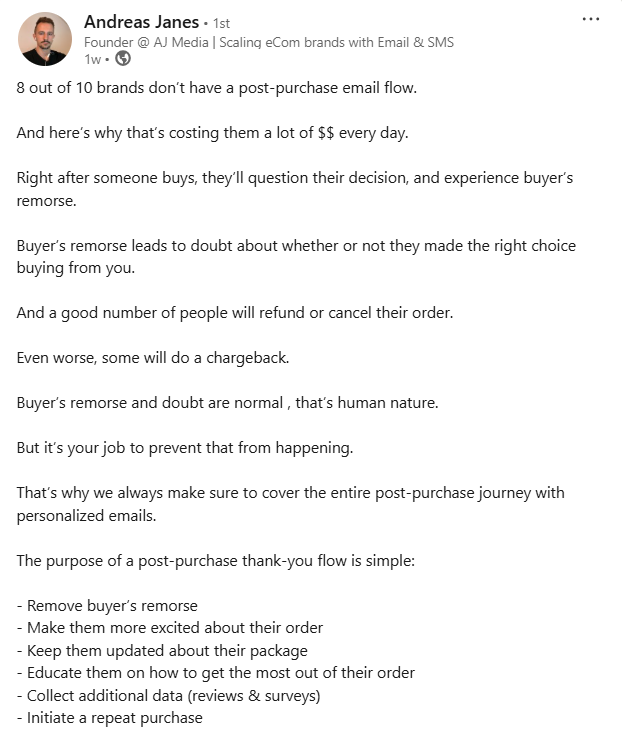
Most brands lose money after the purchase, not before it. The first 24–72 hours are when buyer’s remorse peaks, doubts form, and refunds or chargebacks happen. A post-purchase flow keeps customers confident, informed, and excited so doubt never gets a chance to grow.
Why this works: It removes uncertainty by setting clear expectations and delivering reassurance immediately. It builds excitement with education, brand story, and updates that make customers feel supported. It increases lifetime value by guiding customers toward the next action, using the product, reviewing it, or returning to buy again.
Where it needs balance: Too many emails can feel pushy or exhausting, especially right after a purchase. Upsells should appear only when they naturally fit the customer journey. Each touchpoint must feel personalized and helpful, not like automation for its own sake.
Together with Insense
3 ways to beat Meta Andromeda with diverse modular UGC
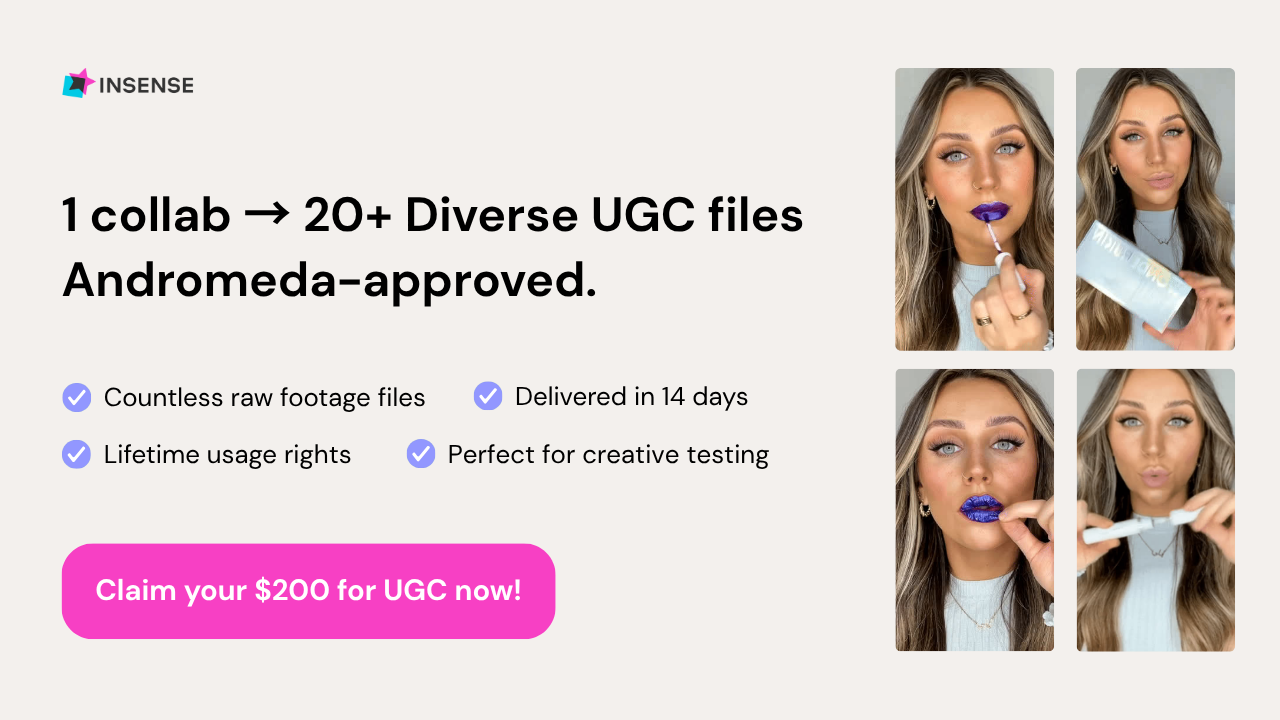
Andromeda’s update just changed the game for ad creatives, and most brands don’t even realize it yet.
The Meta algorithm now quietly flags look-alike creatives as duplicates, killing performance before your ads even reach the auction.
Here are 3 ways leading eComm brands are staying ahead:
1. Increase creative diversity with more faces:Andromeda now demands variety. Reusing the same creators, tones, or aesthetic signals triggers instant fatigue. Bring in a wider pool of creators to inject new personas, energies, and visual identities into your mix.
2. Build modular UGC systems, not one-off videos:Turn each creator collab into dozens of unique hooks, angles, and CTAs. Modular content ensures you always have Andromeda-approved variations ready to test.
3. Scale output with Partnership AdsUse creator-led ads to boost engagement, reset fatigue signals, and run ads directly from influencer accounts - especially now that Meta is favoring Partnership Ads.
Join 2000+ brands using Insense to scale diverse, modular, Andromeda-ready content.
With 70K+ vetted creators across 35+ countries, creators apply directly to your briefs - and you get modular UGC delivered fast with lifetime usage rights.
Expand creative diversity now!
Book a free strategy call by November 28 to get $200 towards your first collab!
🎥 Reel of the Day
What Works:
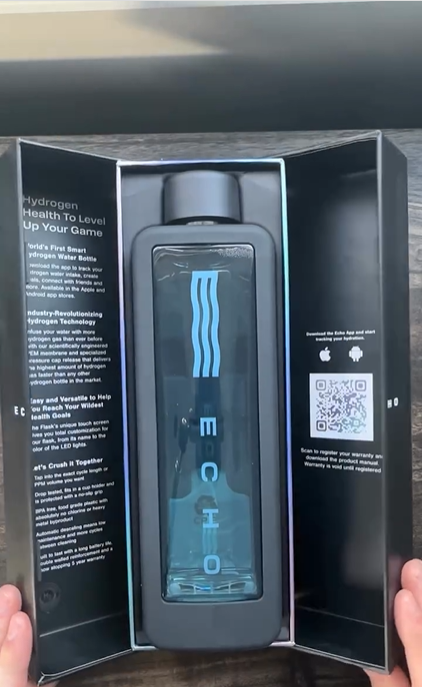
1. Perfect ASMR sequencing builds a “dopamine ladder” - Every step, opening the box, peeling the sticker, clicking the charger, is placed in the exact order our brains find most satisfying. Humans love micro-completions: peel, tap, click, slide.
2. Every shot makes the product look like premium tech, not kitchenware - Notice the iPhone-style peel tab, matte black finish, crisp UI animations, and box design. This is intentional; hydration products normally feel boring, but tech unboxings feel exciting and aspirational.
3. The entire reel uses “premium slowness,” a luxury marketing trick - Slightly slower hand movements, slow peeling, slow clicks. Luxury brands use slowness to signal quality, craftsmanship, and expense. It tells the viewer: “This is not a cheap bottle. This is something you treat carefully.”
This reel wins because it blends luxury product ASMR with clear product education, wrapped in a visual identity that makes a water bottle feel like a futuristic gadget. The caption is intentionally simple to maintain curiosity, the shots are choreographed for sensory pleasure, and the UI moments remove skepticism.
Thanks for reading this edition! Keep pushing boundaries, testing ideas, and staying inspired. See you in the next edition with more ways to ignite your marketing success. 🥰