Intent Outruns Demographics
🫨 Behavior shifts faster than identity-based targeting can follow, The real ad creative opportunities in 2026, and more!
Welcome to a space where every edition delivers insights, strategies, and inspiration to fuel your advertising brilliance. 🤯
🫨 Intent Outruns Demographics
In Google Ads, you can see them. Name them. Explain them. Age ranges, interests, in-market segments, customer lists. They create the impression that targeting is deliberate and controlled.
That feeling is exactly why they fail at scale.
The problem isn’t that manual audiences are wrong.
It’s that they are slow representations of fast-changing behavior.
Buying intent doesn’t move in clean steps.
People don’t wake up one morning and switch from research mode to ready to buy. They drift. Searches tighten. Product pages replace content pages. Comparisons replace browsing.
Those changes happen over days, sometimes hours.
Manual audiences update on human timelines. They’re built from historical traits and static conditions. By the time someone qualifies for an audience you carefully defined, the decision process has already moved forward.
That’s where the false confidence comes from.
GA4’s predictive audiences exist to solve this lag.
Segments like likely seven-day purchasers or likely to convert are not built on who someone is. They are built on what Google observes across Search, YouTube, Chrome, and site behavior in the present, compared against millions of past paths that ended in conversion.
These audiences refresh continuously. They do not wait for a marketer to update assumptions.
The mistake is assuming predictive audiences are hands-off targeting.
They are not. They are behavioral amplifiers.
If your conversion signals are shallow, predictive audiences amplify shallow intent. If exploration and purchase are blended into one goal, prediction collapses into noise. If your funnel does not clearly separate browsing from decision making, the model struggles to learn.
When predictive audiences underperform, it is rarely because the model is weak.
It is because the signals are.
This is where most teams lose leverage. Intent signals live across search demand, content interaction, competitor comparison, and funnel progression, but they are rarely viewed together. Without a unified view, teams misdiagnose why predictive audiences fail and revert to manual segments that only feel safer.
This is where Semrush One fits naturally. By bringing search demand patterns, competitive movement, and content-level intent signals into one environment, it helps teams identify where momentum is forming before it fully registers inside paid platforms.
Cleaner intent mapping upstream produces stronger signals downstream. You can start your 7-Day free trial here!
To make predictive audiences actually work, three upstream changes matter.
First, stop teaching Google with shallow conversions.Second, separate early-stage and late-stage intent flows.Third, reduce ambiguity in user behavior through clearer paths and decisions.
Manual audiences feel comfortable because they are explainable. Predictive audiences feel uncomfortable because they operate probabilistically.
But performance does not follow comfort. It follows proximity to intent. Manual audiences explain the past. Predictive audiences react to the present.
The advantage now is not tighter audience definitions.
It is designing systems that let intent reveal itself fast enough to act on it.
Together with Insense
Get fully-licensed UGC footage from brand-matched influencers
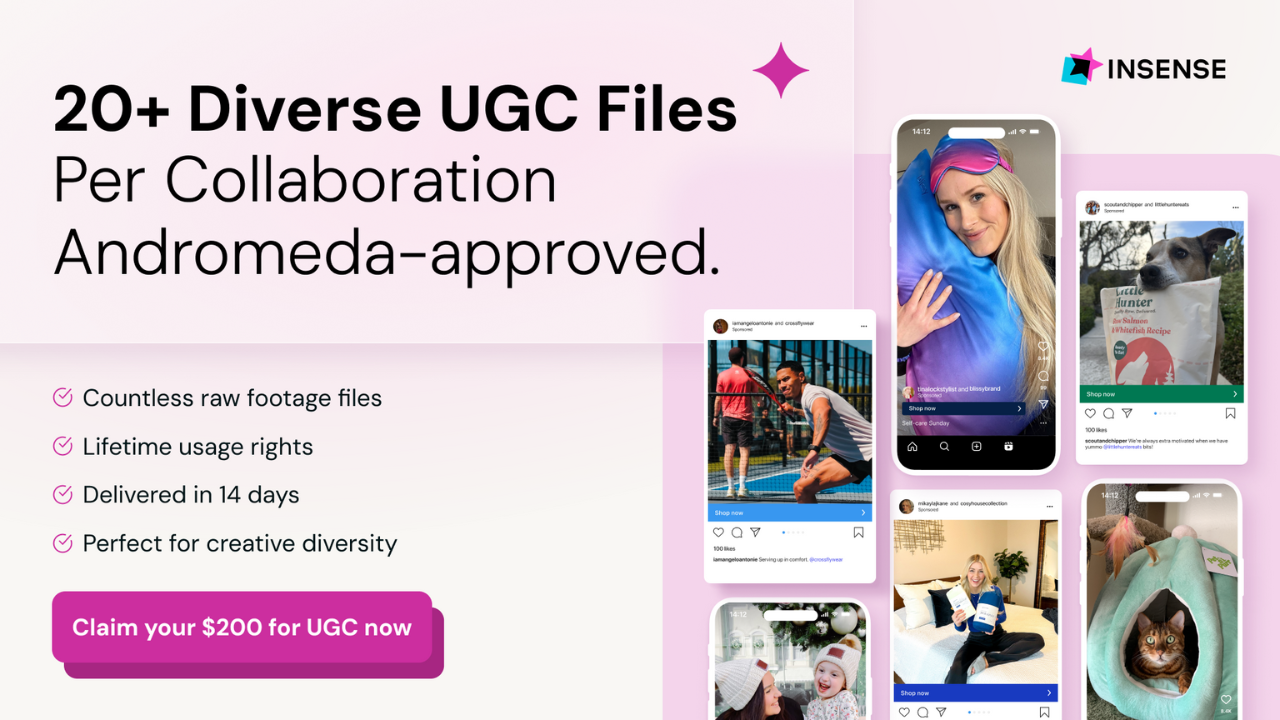
The secret to high-performing UGC ads? Influencer-brand alignment.
The problem? Manually sifting through thousands of creators to find the perfect match is a time-consuming nightmare.
You need Insense’s carefully vetted marketplace of 75,000+ UGC creators and micro-influencers from 35+ countries across the USA, Canada, EMEA, and Latin America.
Dermatologists for your skincare brand? They’ve got it!
Watch collectors? LGBTQ+ creators? They’ve got it!
Leading eComm brands, including DRMTLGY, Smileset, and Bones Coffee, use Insense to find their perfect creators from across the globe and run end-to-end campaigns from UGC to seeding, TikTok Shop, Meta Partnership Ads, and TikTok Spark Ads.
- Quip - received an 85% influencer activation rate for seeding (32/37 influencers posted)
- Any Age Activewear - quickly matched with mature female creators aged 50+, which boosted AOV by 20%
Try Insense yourself.
Book a discovery call by Jan 16 and get a $200 bonus for your first campaign.
⚡ The Real Ad Creative Opportunities in 2026
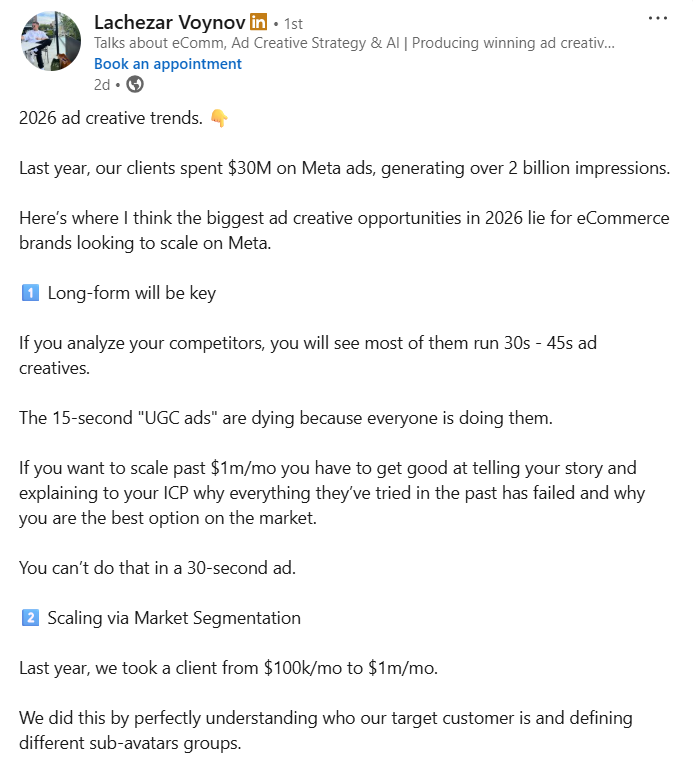
The biggest creative gains in 2026 won’t come from quick tweaks or trendy formats. They’ll come from doing the harder work most brands avoid, telling fuller stories, speaking to smaller groups, and selling before the customer even knows what to look for.
Why this works: Short UGC ads blend into the feed now. Longer creatives give room to explain why old solutions failed and why you’re different. Segmentation keeps messages relevant without saturation. Educating higher awareness stages builds trust and unlocks demand most competitors ignore because it takes real effort.
The real takeaway: 2026 rewards brands that understand people, not just platforms. Scaling will come from storytelling depth, sharper segmentation, and the willingness to sell before the customer even knows what’s wrong.
📽️ Reel of the Day
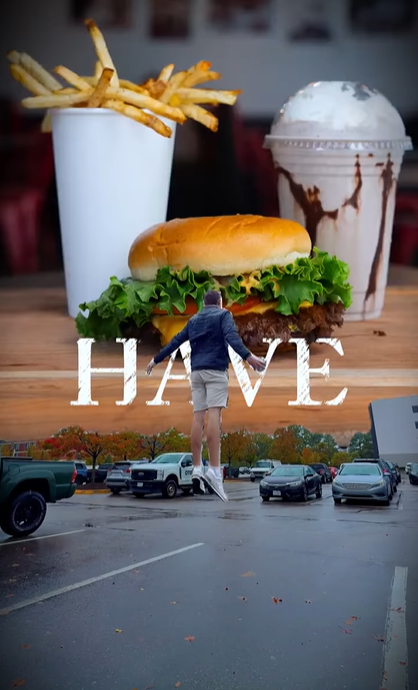
1. It starts with doubt, which feels honest - “Bro, it can’t be that good” is exactly what most people think when they see burger content online. That line feels human, slightly annoying, and familiar. You stay because you want to see him get proven wrong.
2. The bite is the real moment, not the edit - Everything hinges on that first bite and the pause after. You’re watching his face, not the burger. That’s why it works. People trust reactions more than food shots.
3. The floating edit is playful, not polished - His floating isn’t meant to look cinematic or perfect. It looks a little silly, which is the point. It turns excitement into humor, and humor is what makes people rewatch and share.
This reel works because it feels like a joke between friends, not a brand trying to impress you. It earns trust with a real reaction, then exaggerates it just enough to make it memorable.
Thanks for reading this edition! Keep pushing boundaries, testing ideas, and staying inspired. See you in the next edition with more ways to ignite your marketing success. 🥰