Meta chose it but it’s not right
🫢Meta's format preference is a laziness signal, not a performance signal, Creative strategy is about systems, not just content output, and more!
Welcome to a space where every edition delivers insights, strategies, and inspiration to fuel your advertising brilliance. 🤯
Together with AirOps
Google rankings won't save you in AI search.
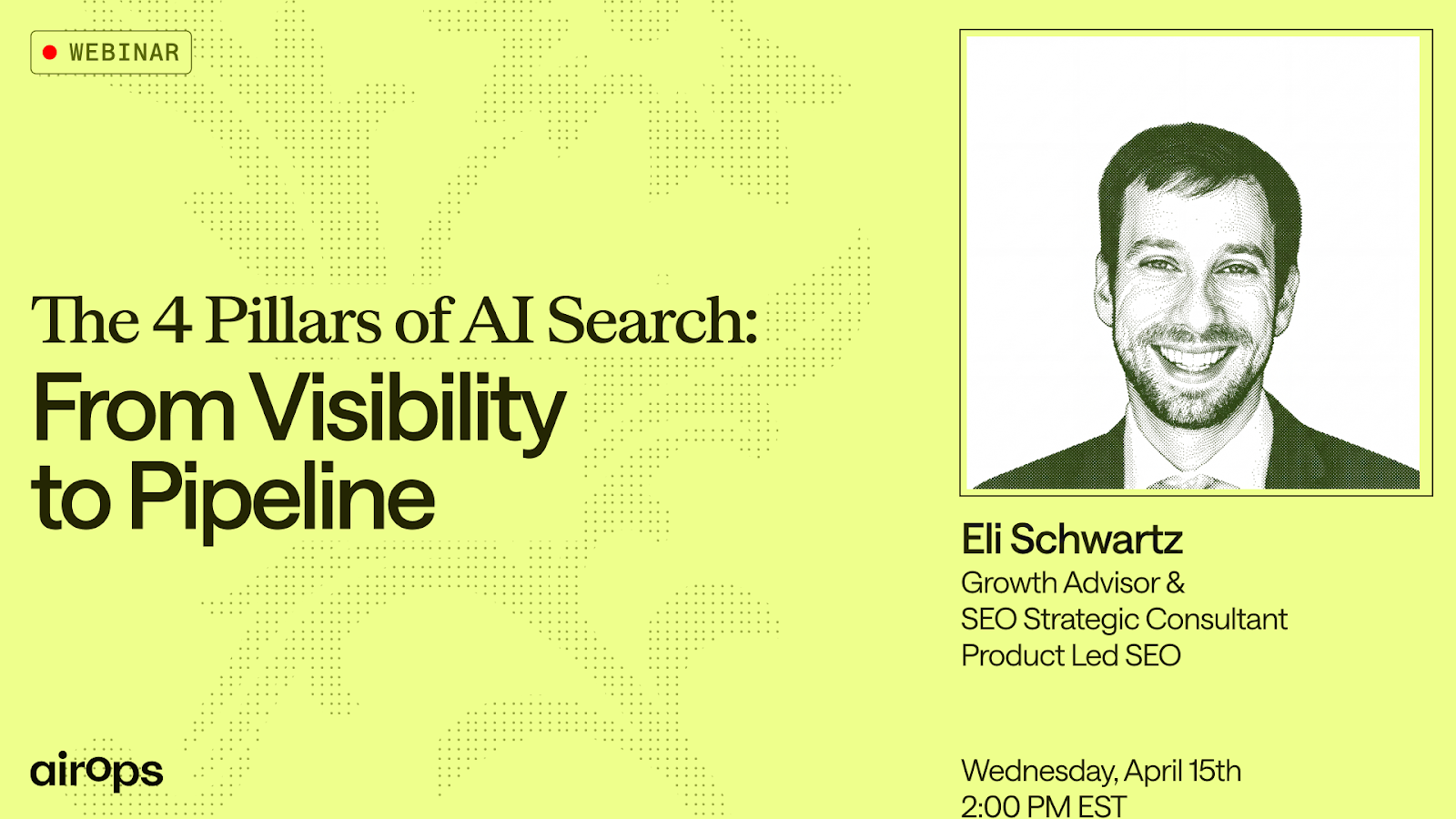
Google rankings don't matter if AI never pulls your content. And most brands have no idea why they're being skipped or how to change it.
On April 15th, Eli Schwartz is breaking down the exact framework he's taken into board rooms and VC meetings.
Eli has generated billions in organic search revenue for companies like Coinbase, LinkedIn, and Tinder. This is what he's telling them right now about AI search in 2026.
You'll walk away knowing:
- The 4 pillars that determine whether AI retrieves your content
- How to spot the highest-leverage SEO stages to fix first
- Why customer research is still the most underused edge in AI visibility
One live session. A framework you can action the same week.
Can't make it live? Register anyway and get the recording within 24 hours.
🫢Meta's Format Preference Is a Laziness Signal, Not a Performance Signal
When Meta collapses, spending on one format, most advertisers take it as a verdict. The algorithm tried both. It picked a winner. Time to lean in.
That's the wrong read. And it's an expensive one.
Format preference isn't a judgment call. It's a patience problem. The algorithm moves spend toward the path of least resistance, the format where the signal came back fastest. It's not telling you statics outperform videos. It's telling you it stopped waiting for videos to find their footing.
Those are completely different things.
Force the system to stay curious
Split statics and videos into separate ad sets inside your scaling CBO with minimum spend limits on each. Not suggestions, floors. Then watch what happens when the algorithm is no longer allowed to have an opinion before it's earned one.
When you do this correctly:
- Both formats run under real spend conditions with real data behind them
- The model generates a genuine signal on each before defaulting to a favorite
- You stop optimizing around the algorithm's impatience and start optimizing around actual performance
What to look for once both formats are live
Pull daily breakdowns by format. Not weekly averages, but daily. Look specifically for:
- Which format acquires new customers versus converts existing ones
- Which format holds efficiency as spend increases
- Which format improves over time versus peaks early and flatlines
The format Meta deprioritized isn't usually the weaker one. It's usually the one that needed more runway and more budget to show what it was actually capable of.
Read preference as a diagnostic, not a directive
Every time spent collapses onto one format unprompted, ask:
- Did the other format have enough creative diversity to give the model real surface area?
- Did it run long enough under real spend to generate a meaningful signal?
- Or did it just lose because it never got a fair fight?
Sometimes the format deserved to lose. More often, it just ran out of time.
The algorithm optimizes for certainty. Your job is to keep pushing it past what it's already certain about.
⚡ Creative strategy is about systems, not just content output
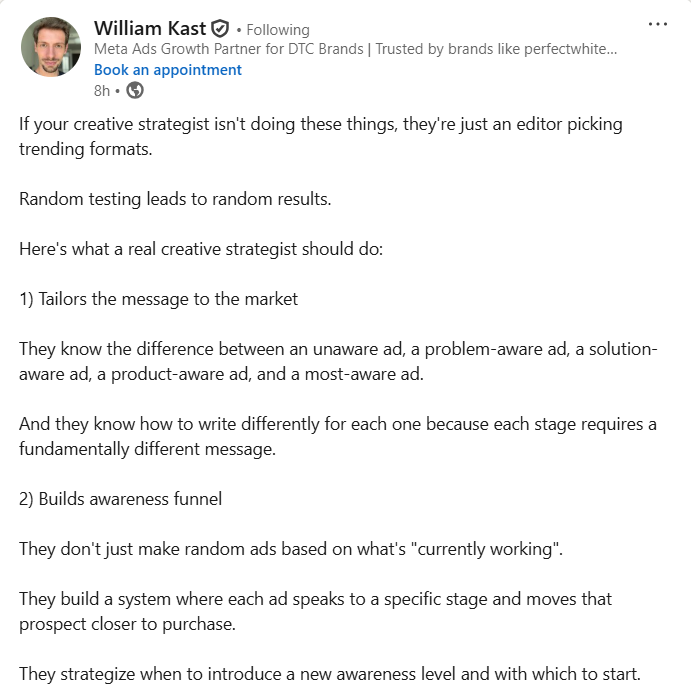
This post defines creative strategy as a structured system, not just producing ads. It emphasises aligning messaging with awareness stages, testing hierarchies, competitive gaps, and funnel fit. The strategist’s role is to guide what to say, who to say it to, and how it evolves across the funnel.
Why it works: A structured strategy reduces randomness in testing. Aligning the message, audience, and funnel stage improves relevance and conversion. Systematic learning compounds over time, creating repeatable creative wins instead of isolated successes.
Where it needs balance: Strict frameworks can slow down speed and experimentation. Not every account needs full funnel complexity early. Over-structuring may limit creative intuition or rapid iteration in fast-moving performance environments.
Together with Superhuman AI
Become the go-to AI expert in 30 days with Superhuman AI
AI keeps coming up at work, but you still don't get it?
That's exactly why 1M+ professionals working at Google, Meta, and OpenAI read the Superhuman AI newsletter daily.
Here's what you get:
• Daily AI news that matters for your career: Filtered from 1000s of sources so you know what affects your industry.
• Step-by-step tutorials you can use immediately: Real prompts and workflows that solve actual business problems.
• New AI tools tested and reviewed: We try everything to deliver tools that drive real results.
All in just 3 minutes a day!
Join 1M+ pros who read Superhuman AI
🚀 Reel of the Day
What Works:
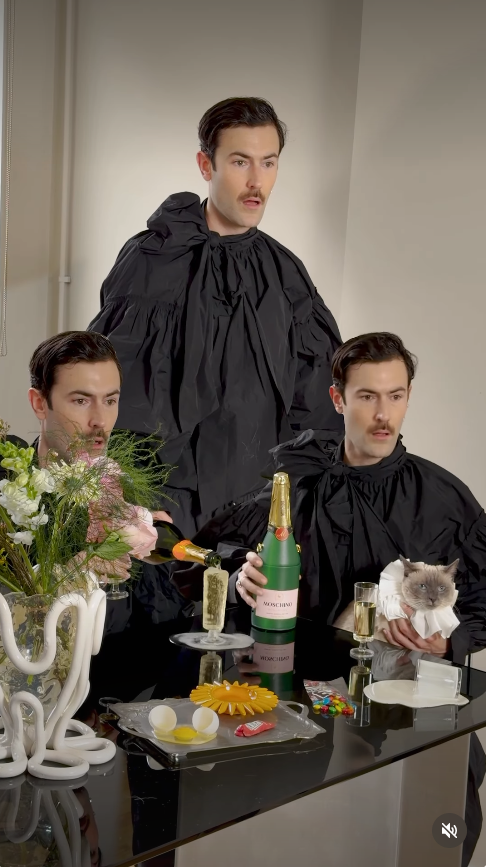
1. Luxury Signal Hijack - They borrow luxury codes like champagne, black couture, symmetry, and lighting to hack instant premium perception, so viewers assume high status before understanding the product, dramatically increasing attention quality and trust.
2. Visual Cohesion Creates Memorability - Black outfits, clean interiors, reflective table, and green bottle create tight color harmony, making the frame aesthetically sticky, which improves recall and increases chances of shares and saves.
3. Caption Reinforces Cognitive Twist - “Do not shake this bag” flips a familiar instruction, extending the joke beyond visuals, reinforcing the misdirection narrative and making the concept more memorable and comment-worthy.
Don’t show your product, disguise it inside a familiar high-status object, then reveal it late, because breaking audience assumptions mid-scroll is what actually earns attention, not just aesthetics.
Thanks for reading this edition! Keep pushing boundaries, testing ideas, and staying inspired. See you in the next edition with more ways to ignite your marketing success. 🥰