Threads are the new Testing Ground
🤩Using Threads Ads to test your thoughts before developing ads, Meta’s new frequency control is useful, but not a silver bullet, and more!
Welcome to a space where every edition delivers insights, strategies, and inspiration to fuel your advertising brilliance. 🤯
🤩 Threads are the new Testing Ground
Threads is the first Meta placement where language beats production.
That single shift creates a very different kind of leverage, especially for founder-led brands that normally discover their strongest ideas after spending time and money producing ads. Threads lets you find the thinking before you build the assets.
Why do threads behave differently?
Threads ads function more like promoted thoughts than traditional creatives. The mechanism is text-first delivery in a feed where users already expect opinions, context, and perspective. If someone stops to read instead of scroll, you’ve earned cognitive attention, not visual curiosity.
The cost of ignoring this is hidden. When all testing happens through polished formats, weak ideas survive longer than they should because production effort creates attachment. Threads removes that bias.
Where founder voice actually fits
Founder messaging often fails elsewhere because it feels overexposed or too final. Threads lowers that pressure. A sentence reads like a belief offered, not a promise made. That makes it ideal for testing sharper positioning without committing it to video or design.
What works well here:
- Strong category opinions stated plainly
- Internal beliefs phrased as observations
- Light disagreement with “how things are usually done”
What breaks fast:
- Hard CTAs
- Overwritten brand language
- Anything that sounds like ad copy
How to use Threads as a testing layer
Use Threads placements to validate ideas before scaling them visually.
Run text-only or lightly formatted ads that sound like something a founder would say in conversation. Let replies and engagement tell you whether the idea resonates or repels.
If you’re pairing this with creator amplification, tools like Modash help you identify creators whose audience already responds to similar category beliefs, reducing the risk of scaling the wrong message. You can try it for free for 14 days.
Example pattern:
- Threads test: a short POV statement that reframes the category
- Signal observed: replies, saves, thoughtful engagement
- Scale next: turn the winning language into Reel hooks, UGC scripts, or landing page headers
This turns Threads into upstream research rather than a performance endpoint.
The constraint to respect
Threads will not replace Feed or Reels for volume, and treating it like a CPA channel is a mistake. Its value is signal clarity, not scale. Used correctly, it reduces wasted production and sharpens every downstream creative decision.
Strategic payoff:
Threads gives brands a place to discover what their audience agrees with before asking them to convert. Founders who use it to test thinking, not assets, end up with stronger ads everywhere else.
Together with Share Local Media
Direct Mail Didn’t Stop Working. Brands Stopped Testing It.
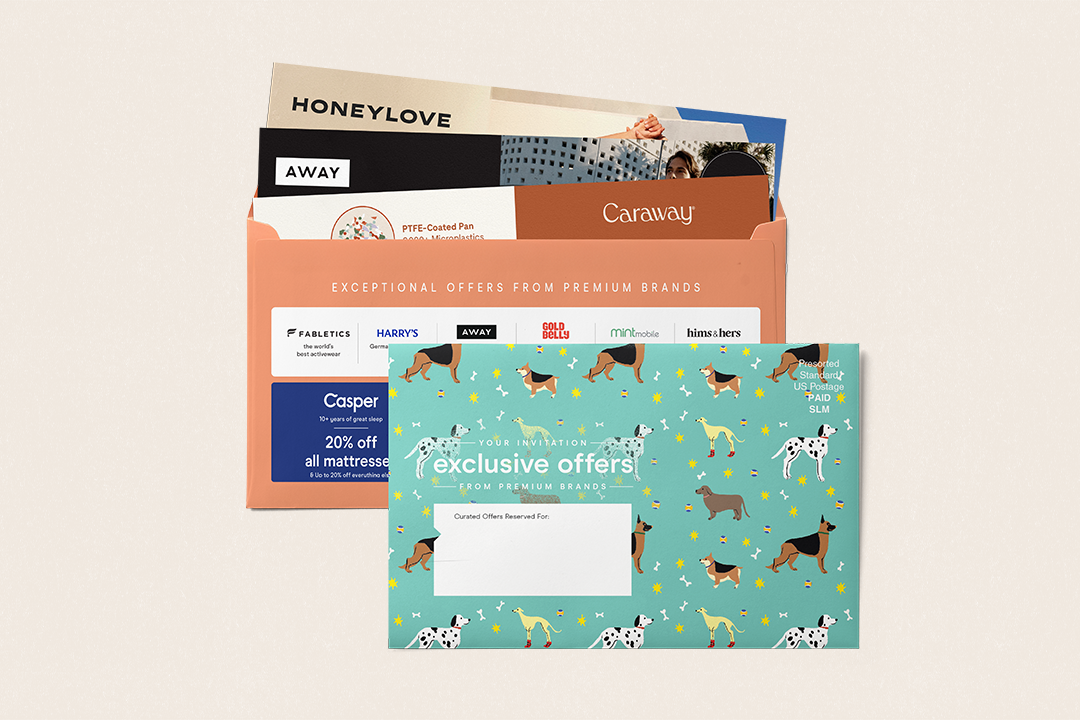
Direct mail still earns attention in a way digital rarely does anymore. The issue is not performance; it is commitment.
Most programs require long timelines, high minimums, and upfront decisions before brands ever see meaningful results. That hesitation keeps direct mail on the sidelines while acquisition costs rise everywhere else.
Shared Mail from Share Local Media offers a simpler entry. Your brand appears inside a premium shared envelope alongside other well-known names, putting you in front of millions at a fraction of the usual spend.
No long setup, no operational drag, and no big upfront commitment required. That is why Shared Mail has become an excellent entry point for brands curious about direct mail.
Here’s what brands are actually seeing:
- Knix achieved sub-$20 CPAs and 7-9x ROAS on new customer acquisition with shared mail.
- Primary hit a $45 blended CPA and strong response rates using SLM’s geo-targeted shared mail.
With nearly a billion mailings delivered over the past decade, SLM’s Shared Mail Program is a proven, measurable channel at an all-in cost as low as $0.06 per piece.
April Shared Mailings close on 3/2. Secure your spot now!
⚡Meta’s new frequency control is useful, but not a Silver Bullet
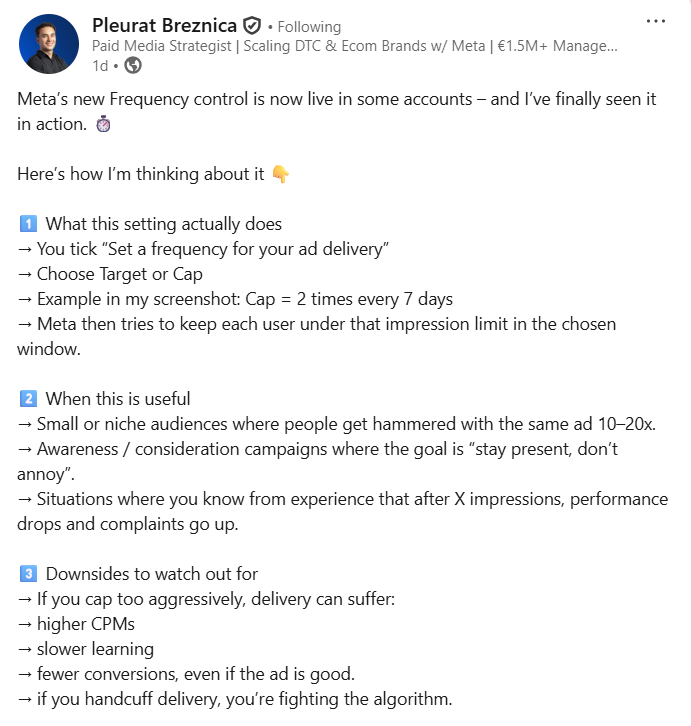
Meta’s new frequency control lets you set a target or hard cap on how often someone sees your ad, like two impressions every seven days. It’s designed to reduce overexposure and keep delivery within a defined window instead of letting impressions stack endlessly.
Where it actually helps: This is most useful in small audiences or niche markets where frequency can spike fast. It also makes sense for awareness or brand campaigns where the goal is presence, not pressure. In tight remarketing pools or short promos, it can prevent fatigue and negative sentiment.
Where to be careful - Strict caps can choke delivery. CPMs may rise, learning may slow, and conversions can drop if you block the algorithm from showing a strong ad again. For performance campaigns, it’s often smarter to manage frequency through creative refresh and audience expansion instead of handcuffing delivery.
🚀 Reel of the Day

What Works:
1. Curiosity gap drives the entire retention loop - The first guy screaming “wow” after every sip is pure pattern interruption. It feels socially awkward, slightly absurd. That discomfort creates a curiosity loop, which keeps viewers watching until the waitress explains the logic.
2. The promo mechanic is gamified, not discounted - “$100 cocktail, but deduct $1 if you scream.” That’s not a discount. That’s behavioral pricing. They turned a promo into a game mechanic, which makes participation feel voluntary and fun instead of transactional.
3. The brand stays embedded, not pushy - The cocktail isn’t aggressively showcased. It sits naturally inside the scenario. The product is context, not pitch. That reduces ad resistance and makes the humor carry the brand memory instead of features.
This reel works because it converts a basic promo into a behavioral experiment. Curiosity pulls you in. Gamification keeps you engaged. Social proof escalates the joke. And the brand wins without ever looking like it’s selling.
Thanks for reading this edition! Keep pushing boundaries, testing ideas, and staying inspired. See you in the next edition with more ways to ignite your marketing success. 🥰