Why Native Ads Don’t Feel Native
🧩 Because most Ads mimic humanity they don’t maintain it, Turning TikTok shop momentum into website profit, and more!
Welcome to a space where every edition delivers insights, strategies, and inspiration to fuel your advertising brilliance. 🤯
🧩 Perceived Authenticity Loops: Why Some Ads Feel Real and Others Feel Like Lies
You can sense when an ad’s pretending to be “real.”
The pacing feels too fast, the tone a bit too eager, the creator’s smile rehearsed. Even before the offer appears, your brain knows what’s coming; it’s a pitch dressed up as a story.
That’s the invisible layer every modern buyer notices: commercial energy. The moment your ad’s energy feels mismatched with its story, trust collapses. And no amount of clever editing can save it.
Most “native-style” ads collapse because they overplay relatability. They mimic UGC, borrow authenticity cues, but still carry that faint corporate hum. The story says “creator,” but the cadence screams “brand.” Viewers can’t explain it; they just scroll.
But the best DTC operators fix this at the system level, not the creative level.
Because what breaks authenticity isn’t one ad, it’s the tone that drifts across the funnel.
The ad feels human, but the landing page sounds robotic. The post-purchase email reads cold. That’s how emotional continuity dies.
This is where Lindy quietly changes the game.
Lindy’s AI agents analyze every customer touchpoint, ad scripts, DMs, follow-ups, and reports, to spot where your tone stops feeling human. It builds what you could call a “brand empathy layer” that keeps your communication emotionally aligned across every channel.
You can get started for free and claim your $20 in bonus credits. Now your team doesn’t just automate, it automates authentically.
The Perceived Authenticity Loop Framework
- Pace before pitch. Give your story time to breathe before introducing the offer.
- Tone continuity. Keep emotional energy consistent from ad to checkout to CX.
- Signal honesty early. A clear price cue or “sponsored” tag builds consent, not resistance.
- Systemize authenticity. Use Lindy to detect and fix tone drift before it becomes a conversion leak.
Audiences don’t reject ads; they reject inconsistency. The brands that feel “most human” in 2025 won’t fake authenticity; they’ll engineer it. And the secret is turning emotional alignment into a process, not a guess.
Together with Stack Influence
This Brand 11X’d Revenue Without More Ad Spend
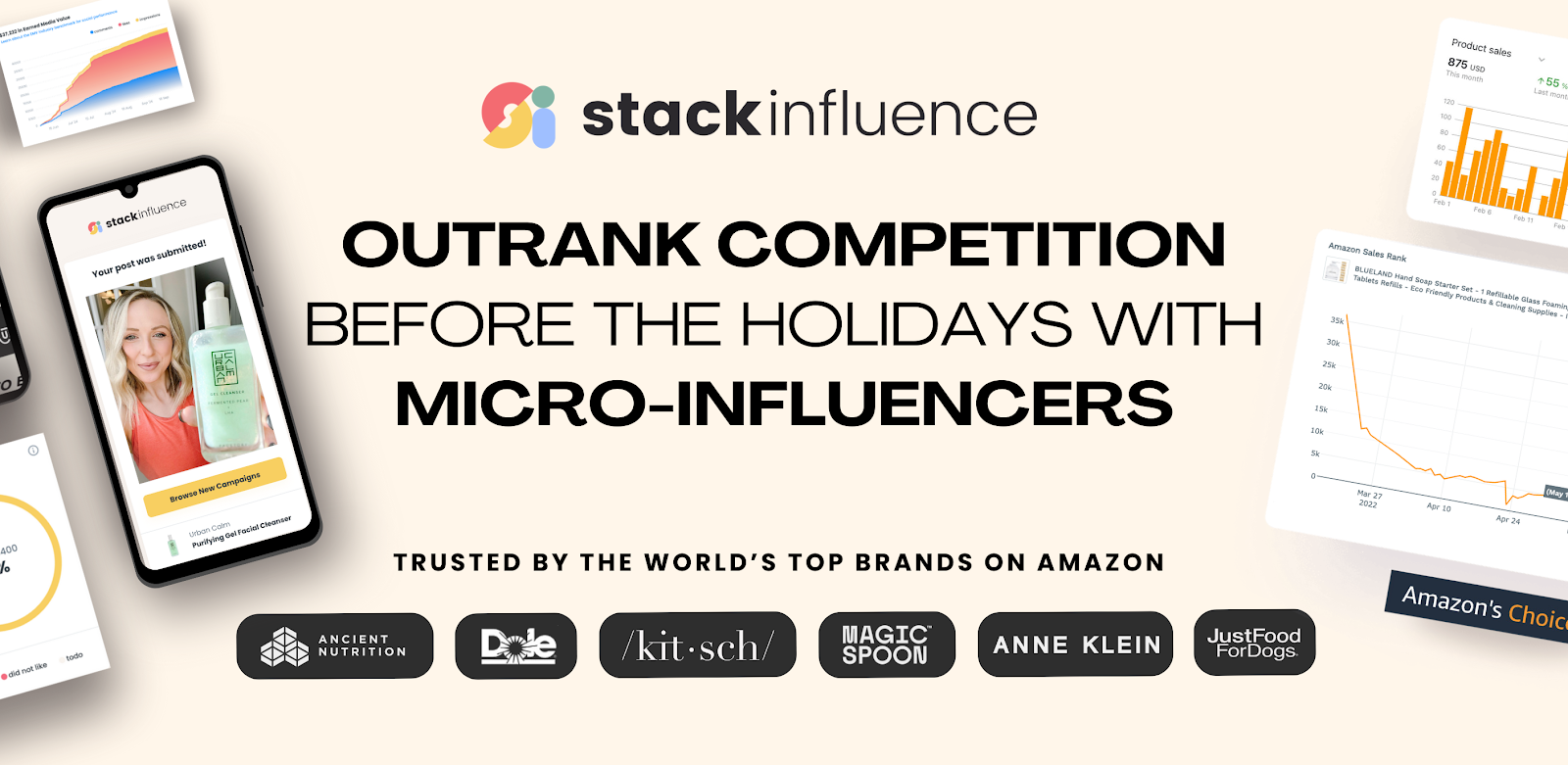
Ever launched a new product that just wouldn’t move, no matter how hard you pushed ads? That was Lenny & Larry’s with their Protein Pretzels. Clicks flatlined, Amazon rankings tanked, and their PPC tweaks couldn’t save it.
Then they found the shortcut, turning customers into micro-influencers.
Stack Influence helped them activate 1,560 real buyers who shared genuine UGC across social. No ad budget, no inflated influencer rates, just real people, real content, and measurable impact.
🚀 11X jump in monthly sales (1K → 11K units)
💬 500+ organic reviews driving trust and rank
💰 $2M+ in new revenue, purely from organic growth
Stack Influence automates micro-influencer product seeding, so your customers promote your brand on autopilot while you own every piece of content they create.
Imagine scaling your next launch without spending a dime on ads.
See how Stack Influence can 5X your revenue in 2 months!
🧵 Threads
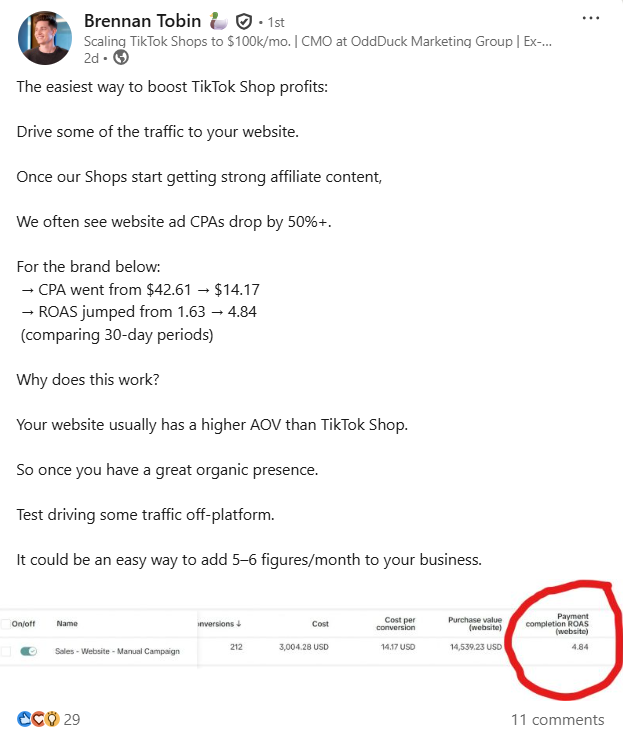
⚡ Why Driving TikTok Traffic to Your Website Boosts Profit
The idea is simple: once TikTok Shop starts generating strong affiliate content and organic traction, sending a portion of that attention to your website can dramatically lower CPAs and boost ROAS. In many cases, website buyers spend more, so the same demand ends up producing higher AOV and stronger margins.
Why it works - TikTok Shop builds organic reach and trust fast. When users later see your brand’s ads or visit your site, they’re already primed to buy, often choosing higher-value products. This synergy between platform discovery and website checkout raises AOV and long-term profitability.
Where it needs balance - The strategy assumes your website can convert well; poor UX, slow load times, or weak offers can erase the CPA gain. It also requires careful attribution tracking to avoid overcounting conversions from both TikTok and your site.
🎥 Reel of the Day
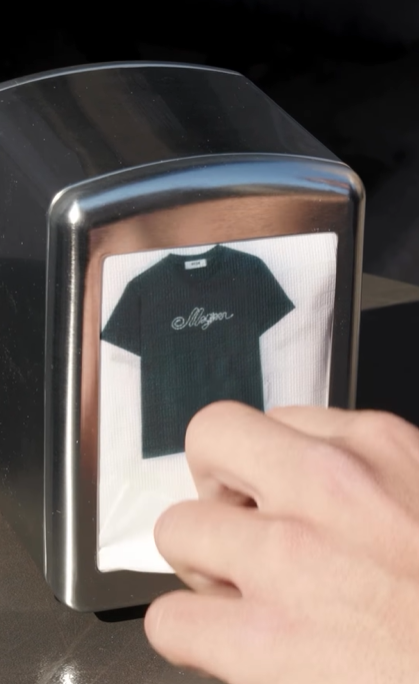
What works:
1. It weaponizes “micro-magic”- Every pull of a napkin reveals a new T-shirt visual, creating a micro-illusion that feels like a magic trick done in the real world. Humans are hardwired to pause and decode visual puzzles, it forces the brain into pattern-recognition mode.
2. It uses progressive reveal storytelling - Viewers watch till the end because the format implicitly promises a final payoff, which arrives with the brand logo. Sequence-driven reveals engineer retention; when viewers expect “one more reveal,” they stay longer than they realize.
3. The mechanic is instantly stealable - The napkin dispenser trick is so simple that creators can imagine doing it themselves. That “I could recreate this” energy is a known engagement driver; it turns viewers into participants. Formats that feel replicable generate social chatter; virality increases when the audience can visualize themselves recreating the idea.
This reel wins because it blends illusion, minimalism, anticipation, and playful irony into a format the brain can’t scroll past. It’s not about showing T-shirts, it’s about turning an ordinary object into a cinematic stage.
Thanks for reading this edition! Keep pushing boundaries, testing ideas, and staying inspired. See you in the next edition with more ways to ignite your marketing success. 🥰