PMax will make your creative
🎞️ Performance Max is switching on image extraction and sourced videos by default, so decide what Google may pull before December, Amazon listing improvements can compound beyond conversion, and more!
Welcome to a space where every edition delivers insights, strategies, and inspiration to fuel your advertising brilliance. 🤯
🎞️ Performance Max is about to build ads from your website and social posts
Two Performance Max defaults are changing, and neither needs you to click anything.
On October 21, Google's Ads Developer Blog said image extraction will be on by default for new PMax campaigns from December 4, 2026, in the API, the interface, and Ads Editor. Extracted images can serve across Search, YouTube, Display, Discover, Gmail, and Maps, even if dynamic images are off at the account level. Existing campaigns stay as they are.
Google's sourced-videos feature is enabled by default for new campaigns and may also have been activated on some existing campaigns. Review “Manage sources” to approve which URLs Google can use. Up to 10 sourced videos can be added per asset group.
The read
Google is filling creative gaps with whatever it can find. For accounts with thin asset groups, that may help reach. For brands with strict creative rules, it means old lifestyle shots, outdated pricing banners or a creator video whose usage rights expired could show up in an ad.
The risk sits in what's on your site and social profiles, more than in the feature itself.
The moves
- Audit your landing pages. Look for images with expired offers, old packaging or text that only makes sense on the page. Those are the likeliest bad extractions.
- Check usage rights. If creator videos live on your social profiles or product pages under ad-limited rights, they may be pulled into ads you didn't plan. Confirm what each agreement allows.
- Decide by campaign. For campaigns with full, approved asset sets, consider opting out of both features. For thin campaigns, leave them on and review what appears.
- Mind API updates. If you opt out through the API, the automation setting is a repeated field, so an update replaces the whole list. Include every setting you want to keep.
- Build your own videos, but turn off “Sourced videos” if you don't want additional videos pulled in. Uploaded videos and sourced videos can run together.
The watch list
- Sourced-video settings and asset reports now; image-extraction settings for new campaigns from December 4
- Performance of auto-generated assets against your own
- Any ad showing an expired offer, flagged and removed the same day
Before you log off
Review sourced-video settings on current campaigns now. For campaigns launching on or after December 4, check whether landing-page images are approved for ads; fix the page or explicitly opt out before launch.
Together with Omnisend
Your next customer is already in your comments

Someone follows your brand because they like what you’re selling. But when your next sale goes live, they could scroll past without ever seeing the offer.
You’ve already earned their interest. Omnisend’s Instagram integration helps you turn it into an email signup, so you can reach them when it’s time to buy.
Ask shoppers to comment a keyword like “OFFER” for a discount. Social Capture automatically DMs them asking for their email. It works with keyword messages, too.
Those who subscribe go straight into your Omnisend list, ready for your welcome series. Your next sale now has an audience you can email directly.
Connect it before your next promotional post to give interested shoppers a reason to subscribe. Social Capture is included in all paid plans.
New to Omnisend? It is trusted by 150,000+ brands for email and SMS marketing, with free migration to get you switched over in up to five business days.
⚡Amazon listing improvements can compound beyond conversion
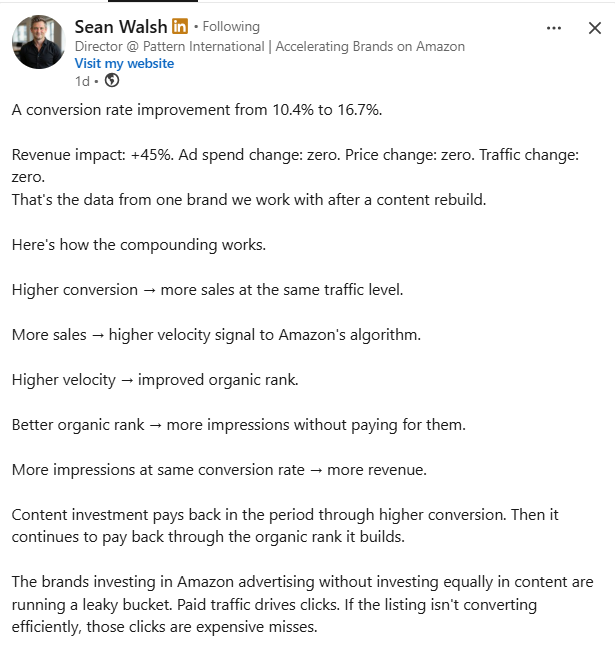
This framework argues that improving listing content before scaling advertising can create benefits beyond immediate sales. Higher conversion rates may increase sales velocity, support organic rankings, and generate additional traffic without increasing ad spend.
Why it works: Better images, copy, and product information help shoppers make purchase decisions. When more existing traffic converts, brands can improve acquisition efficiency while potentially strengthening organic visibility through increased sales performance.
Where it needs balance: Higher conversion doesn't guarantee better organic rankings, which also depend on relevance, competition, and sales history. The reported 45% revenue lift also needs clarification, since conversion rising from 10.4% to 16.7% represents roughly a 61% increase. Brands should validate attribution, traffic consistency, and profitability before assuming the gains will compound.
🎥 Reel of the Day
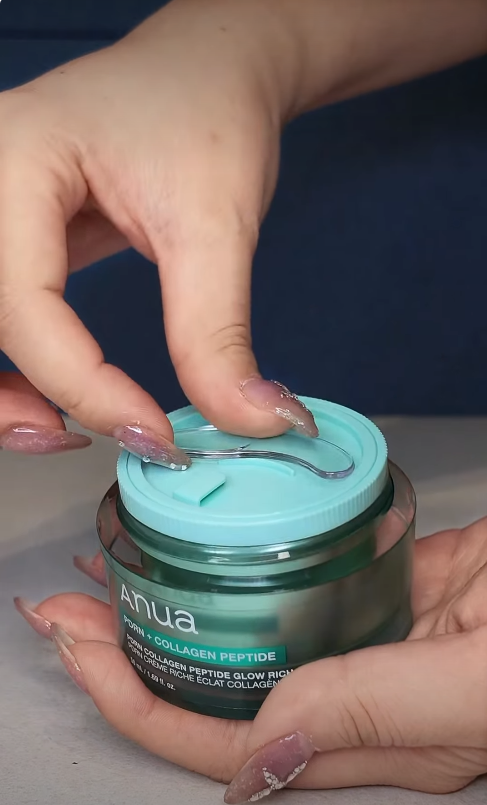
What Works:
1. Texture Becomes the Hook - The reel opens with a close-up of cream being scooped, immediately showcasing its thick, whipped consistency. The unusual texture creates visual curiosity without relying on text-heavy explanations.
2. Make Ingredients Visually Interesting - Tiny green capsules embedded in the cream give viewers something distinctive to notice. Stirring the formula highlights these details while reinforcing the product’s three melt-in glow capsules claim.
3. Satisfaction Through Repetitive Motion - Slow scooping, swirling, and mixing movements create a satisfying viewing experience. Tight macro shots keep attention on the cream’s consistency, making a simple product demonstration visually engaging.
For skincare launches, make texture the main attraction. Use macro shots, transparent tools, and slow mixing movements to showcase distinctive ingredients, while keeping product benefits and purchase details in the caption.
Advertise with Us
Wanna put out your message in front of over 40,000 best marketers and decision makers?
Thanks for reading this edition! Keep pushing boundaries, testing ideas, and staying inspired. See you in the next edition with more ways to ignite your marketing success. 🥰