The FTC just fined this exact claim
⚖️ $930K enforcement for a data-targeting claim that wasn't true, Email reputation should come from real engagement, and more!
Welcome to a space where every edition delivers insights, strategies, and inspiration to fuel your advertising brilliance. 🤯
⚖️ The FTC just fined three companies for a claim you might also be making
The FTC finalized a $930,000 enforcement action against three marketing services companies over claims that they could target ads using conversations captured from smart devices.
The finding was specific: the underlying technology wasn't actually based on voice data at all. The companies had sold a capability their systems didn't genuinely have, and "the platform let us build this pitch" was not a defense that held up.
The pattern matters well beyond smart-device targeting. Any brand describing an AI-powered feature, a personalization capability, a data-driven recommendation engine, in customer-facing marketing is making a factual claim about what the system actually does.
The finding is a reminder that a claim doesn't need to be maliciously false to trigger enforcement. It needs to be unsubstantiated, and a lot of AI-feature copy gets written from what the technology is supposed to do rather than what's verified it actually does.
Audit your own AI and personalization claims against what the system verifiably does
Marketing copy describing an AI feature often gets written by someone translating a product spec into customer language, and that translation step is exactly where a claim can drift from what the system does into what it's aspirationally capable of.
Pull your current product pages, ads, and email copy referencing AI, personalization, or data-driven recommendations, and check each claim against actual, documented system behavior, not the roadmap that inspired it. A claim nobody on the technical side can confirm in writing is worth rewriting before someone asks.
Distinguish between what a system does and what it's designed to eventually do
A feature still being refined described in present tense as if fully functional is exactly the gap the FTC's finding targeted, the difference between the pitch and the underlying technology.
Flag any customer-facing claim describing a capability still in progress, and either qualify the language honestly or hold the claim until the feature matches what's being promised. This costs a rewrite now. It's considerably cheaper than an enforcement action later.
Build claim substantiation into new feature launches, not as a legal afterthought
Waiting until a claim is already published to check accuracy means the review happens after the exposure already exists.
Reviewing every product claim against your source of truth before it ships, the same discipline that catches a mismatched price or spec on a listing, is what Zenyt's AI shopper agents are built to do.
New York & Company found over 500 issues before BFCM worth an estimated $100K to $300K in potential revenue this way. You can get your free store analysis and find out what claims on your own site might not hold up.
The FTC didn't need to prove intent to deceive. It just needed to show the claim wasn't true, and that bar is lower than most marketing teams assume.
Together with Insense
Your November Creator Roster Is Already Being Booked
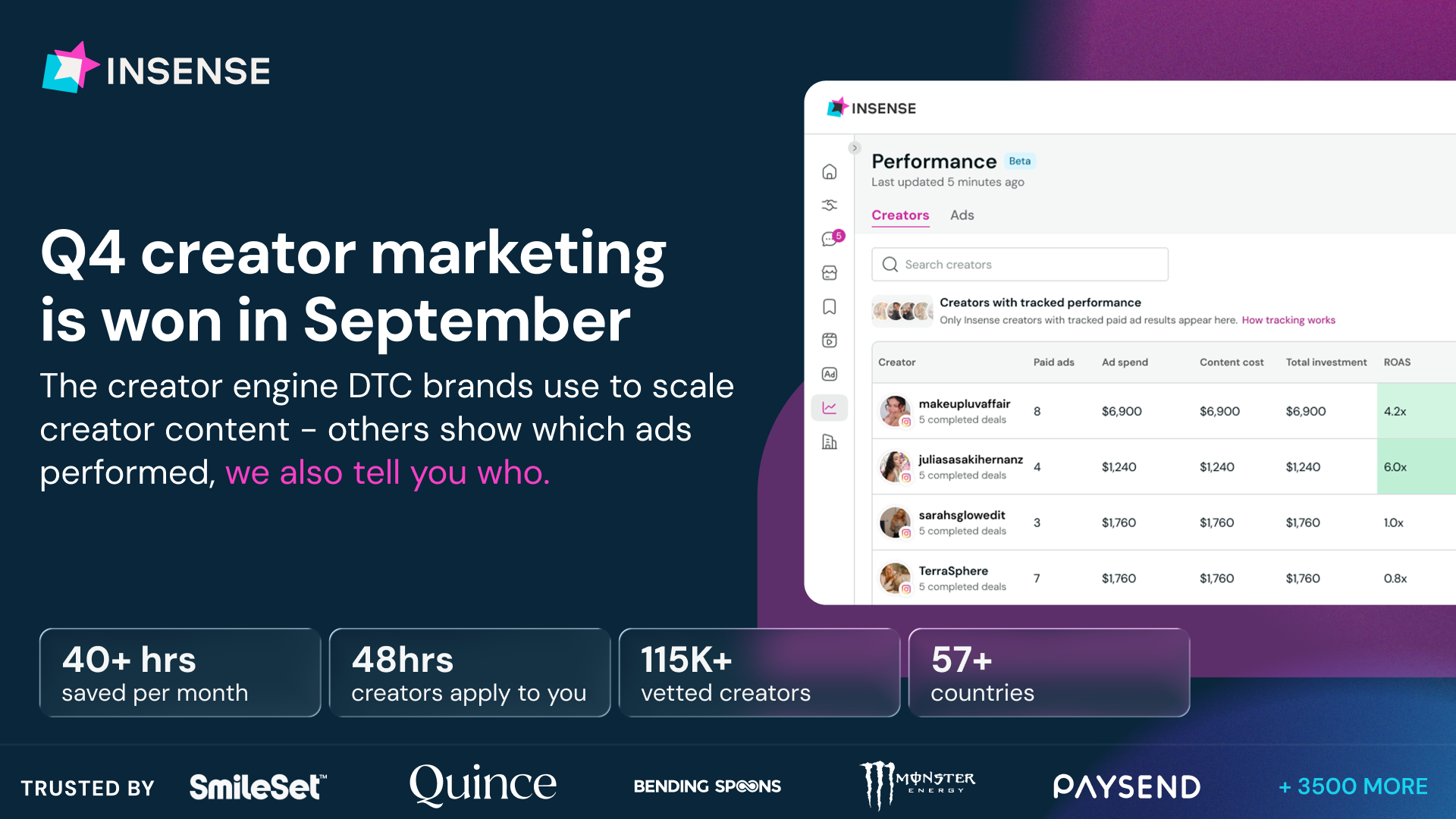
BFCM is an expensive time to discover that a creator cannot sell your product. Late briefs and unusable assets leave your team scrambling as ad spend peaks.
Insense gives brands scaling beyond $2M a faster way to pressure-test their creator bench before peak season.
- Put products in creators’ hands early, so BFCM briefs come with product knowledge and content you already trust.
- Turn a $1,000 budget into up to 20 UGC ads from five creators, creating more hooks to test from every shoot.
- Connect Ads Manager to Insense’s performance dashboard to see which Partnership Ads and creators drive results, then rehire the strongest performers.
Insense provides access to 115,000+ creators across 57+ countries and is trusted by over 3500 brands like Il Makiage, Quince, Huda Beauty, and Monster Energy.
⚡Email reputation should come from real engagement
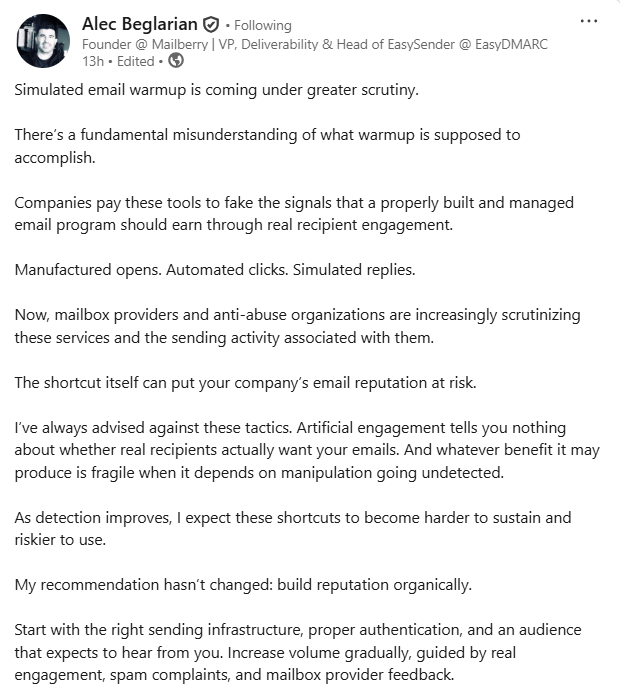
This framework argues that simulated warmup tools manufacture the signals senders should earn naturally. Automated opens, clicks, and replies may create activity without showing whether actual recipients want the emails.
Why it works: Proper authentication, gradual volume increases, engaged recipients, and complaint monitoring create reputation signals tied to genuine sending behavior. This also gives teams more reliable feedback about list quality and deliverability.
Where it needs balance: Not every warmup process relies on fake engagement. Legitimate IP or domain ramp-up can involve carefully increasing real sending volume. The key distinction is between controlled organic warming and tools that manufacture recipient activity.
🎥 Reel of the Day
What Works:
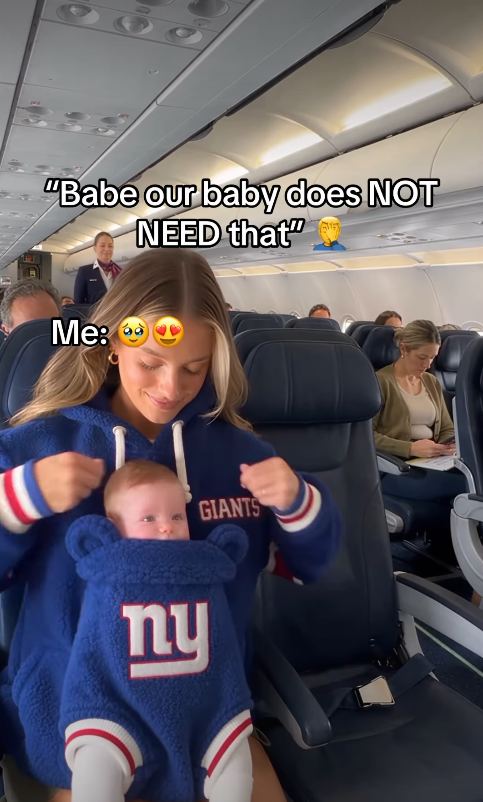
1. Lead With Relatability - The “our baby does NOT need that” hook turns a familiar couple disagreement into the setup. Parents instantly understand the joke before realizing they’re watching branded content.
2. Make Product Adorable - Instead of explaining features, Huddle turns the carrier into a matching Giants outfit. The baby wearing a miniature version creates the visual payoff and makes the product inherently shareable.
3. Engineer The Share - “Send this to a mom!” perfectly matches the creative. Rather than forcing a purchase CTA, Huddle asks viewers to share something cute and relatable, helping the Reel travel organically.
Instead of listing why a product is useful, build one relatable joke around it and demonstrate the product naturally as the story unfolds.
Advertise with Us
Wanna put out your message in front of over 40,000 best marketers and decision makers?
Thanks for reading this edition! Keep pushing boundaries, testing ideas, and staying inspired. See you in the next edition with more ways to ignite your marketing success. 🥰