Recruiting the wrong buyer
🛒 TikTok Shop spend is concentrating into repeat buyers, and first-order reporting is funding the wrong half of your roster, Open rate is a signal, not the email KPI, and more!
Welcome to a space where every edition delivers insights, strategies, and inspiration to fuel your advertising brilliance. 🤯
🛒 Your creator program is recruiting for the wrong buyer
TikTok Shop reached roughly 2% of total US online retail spend in July, up from 1.2% a year earlier, per Consumer Edge card data. That puts it ahead of Costco's US online business and larger than Home Depot and Lowe's online operations combined.
The share number gets quoted. The distribution underneath it should change your recruiting.
Buyers making twenty or more purchases in Q2 were 5% of the base and 30% of spend, up from 3% and 21% a year earlier, while a third of buyers made exactly one purchase and accounted for 7% of spend.
The channel is concentrating fast, and a creator program optimized for first purchases is chasing its thinnest slice.
Score creators on repeat rate, not first-order volume
Pull your affiliate cohort data and calculate second-purchase rate within 90 days, segmented by the creator who drove the first order.
The spread is wider than anyone expects. Creators who convert through demonstration and specific use cases tend to produce buyers who return. Creators who convert through urgency and discount framing produce a first order and then silence. Both look identical on a first-touch report, which is why that report keeps funding the wrong half.
Rank your roster by 90-day repeat rate, then check how your commission structure treats the top and bottom of that list.
Usually it treats them identically, which is a structural argument for the kind of tiered commission design Levanta's 90-Day Holiday Sprint walks through, competitive rates built without giving away margin. You can download the free playbook here.
Brief for the second purchase, not the first
Creator briefs almost always describe the hero product. Almost none describe what a buyer should try next.
Rewrite your brief template to include a designated follow-on SKU and the specific reason someone who bought the first product would want it.
Give creators a reason to mention it in passing rather than pitch it. A creator who plants the second purchase in the first video is doing retention work you would otherwise pay a lifecycle team to do six weeks later.
Test a bonus tied to cohort behavior
Standard bonuses trigger on volume. Volume bonuses reward whoever posted most, which correlates weakly with who brought you buyers worth keeping.
Run one cycle with a bonus paying out on the 90-day repeat rate of a creator's cohort rather than their order count. Set the threshold at your program median, cap the payout, and tell creators the metric in advance.
What you learn from who chases it is worth more than the bonus costs.
Cross-shopping data shows these are mainstream buyers who added a channel, not novelty shoppers.
Together with Omnisend
They switched before Black Friday and made $113K
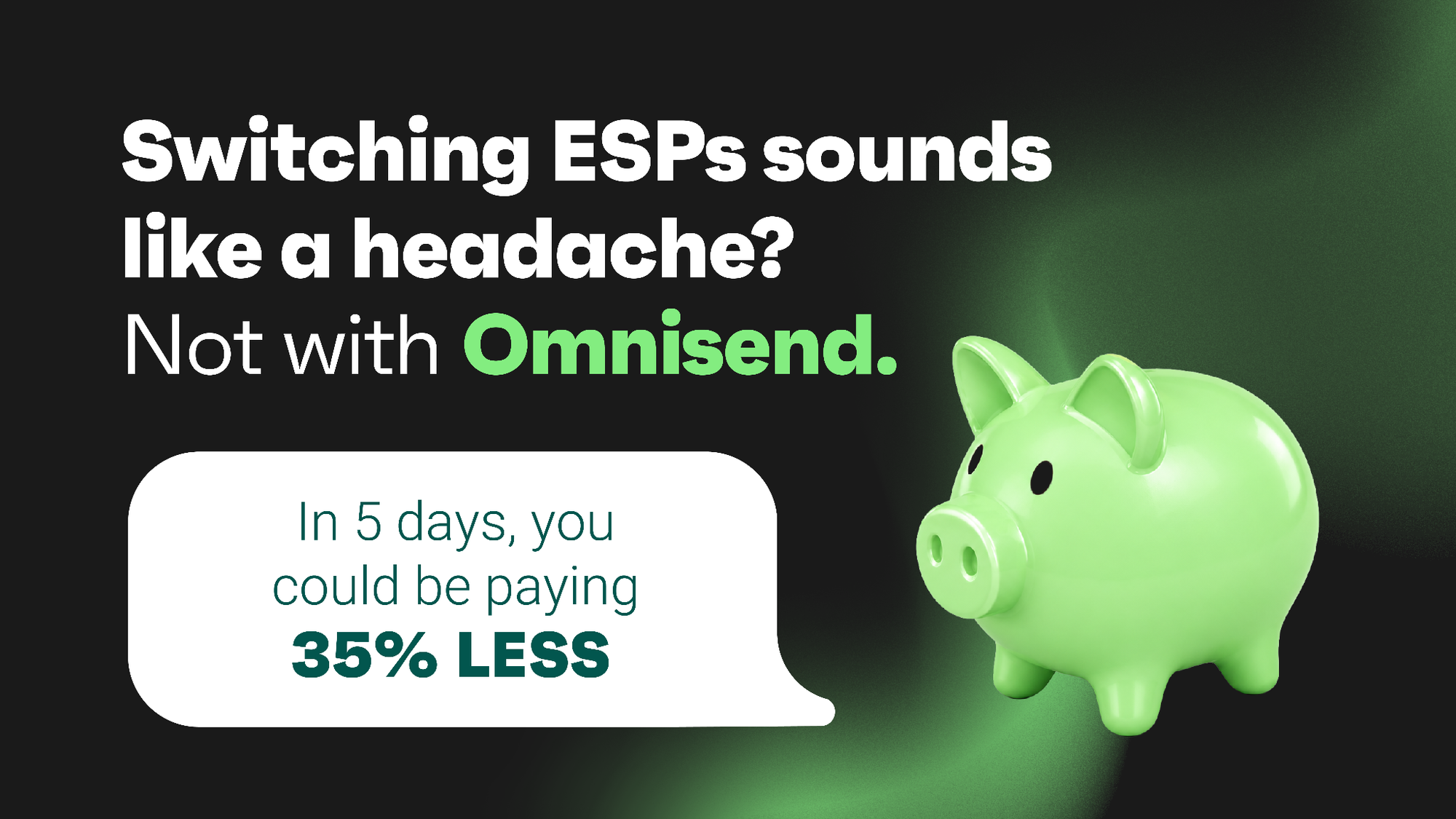
Weeks before BFCM, one broken flow can wipe out months of planned revenue. An overdue migration is harder to ignore when platform costs are already cutting into the season’s upside.
Ecom2Win moved a client from Klaviyo to Omnisend just before Black Friday. The migration took 24 hours, and its automations were rebuilt and checked within four days.
The switch gave the team:
- Up to 35% lower platform costs compared with Klaviyo.
- Free migration of automations, segments, forms, and templates within five business days.
- More room to grow, with Omnisend customers averaging $79 in revenue for every $1 spent.
The client generated more than $113K in attributed email revenue during its first Black Friday on Omnisend. Email produced 53% of total store revenue for the period.
The team entered BFCM with working flows and confidence that every send could earn.
Read Jocelyn’s full story to see how Ecom2Win switched without sacrificing peak-season revenue. Waiting could mean paying more during your most valuable sales period.
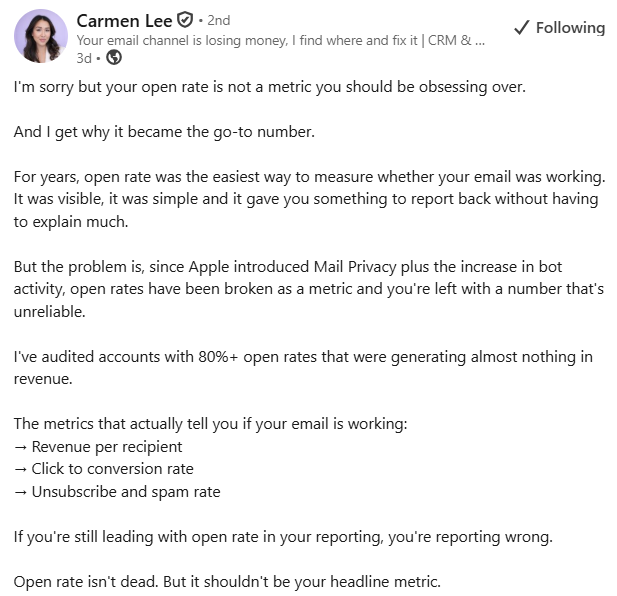
⚡ Open rate is a signal, not the email KPI
This framework argues that targeting the right keyword is only half the equation. A keyword can perfectly describe your product while the surrounding market makes it commercially unattractive because competitors have stronger pricing, reviews, imagery, or positioning.
Why it works: Reviewing the actual search results reveals what shoppers compare you against. That context helps determine whether more traffic is valuable or whether the product, price, and offer need improvement first.
Where it needs balance: Being more expensive doesn't automatically make a keyword unprofitable. Strong differentiation, brand trust, superior reviews, or a better product can justify a premium. The key is understanding why shoppers would choose you at that price.
🎥 Reel of the Day
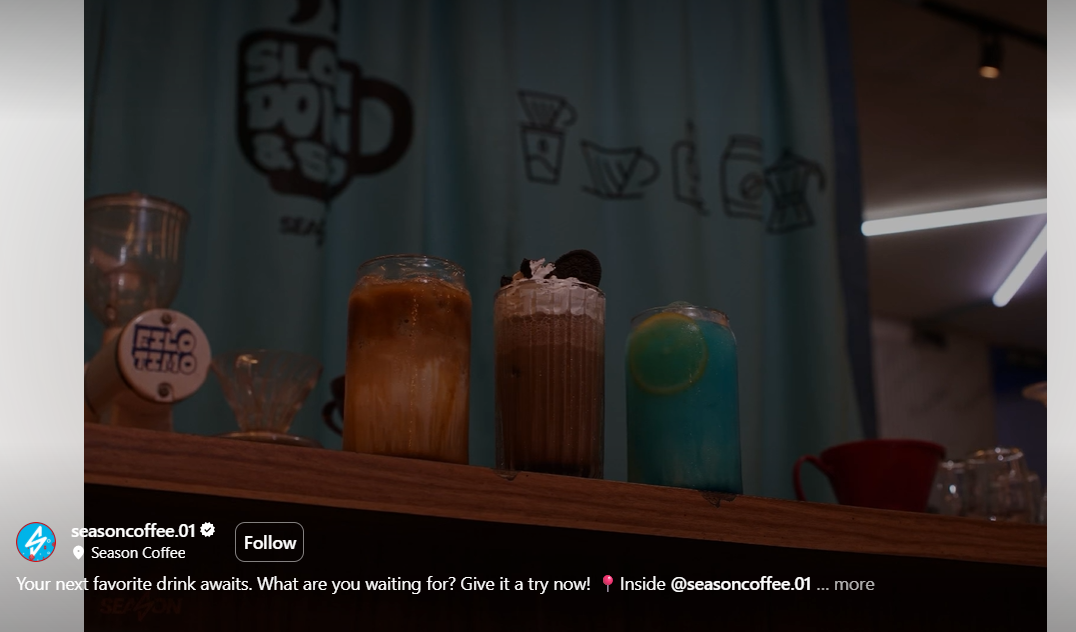
What Works:
1. The edit creates the hook - The drinks begin dark and understated, then individually “switch on” as their names and ingredients appear. That transformation makes a simple menu showcase satisfying to watch.
2. Every drink gets a hero moment - Rather than showing all three equally from the start, the lighting and labels reveal them one at a time. Each option briefly becomes the visual focus before the complete lineup lands.
3. Simplicity makes the execution stronger - One locked composition, three drinks and controlled lighting are enough. The creative relies on timing and editing rather than constant camera movement, keeping attention firmly on the products.
Turn a product lineup into a sequence of reveals. Give each option its own visual activation, then finish with the full range together.
Advertise with Us
Wanna put out your message in front of over 40,000 best marketers and decision makers?
Thanks for reading this edition! Keep pushing boundaries, testing ideas, and staying inspired. See you in the next edition with more ways to ignite your marketing success. 🥰