Stop Scaling Random Variables
🚩You’re tracking UGC wrong and scaling random variables, Emotional sequencing makes stories more persuasive and memorable for audiences, and more!
Welcome to a space where every edition delivers insights, strategies, and inspiration to fuel your advertising brilliance. 🤯
🚩Stop Scaling Random Variables
You ran 20 pieces of UGC. Three crushed it. You briefed those creators again.
Six weeks later, performance tanks. Same creators. Same product. Different results.
The problem: you never isolated what actually won. Was it the hook structure? The product angle? The edit pacing? The creator's face? You scaled the whole bundle and called it a system. Here's how you fix that.
Tag every variable before anything goes live
Before a single asset launches, assign it a four-part tag inside your ad account naming convention: Creator ID, Hook Type, Product Angle, Edit Style.
This is your tracker (screenshot it, copy it, use it every campaign).
When three ads win, you pull the tag data first. If two winners share the same Hook Type but different creators, you've found your real variable. Now you're scaling a mechanism, not a person.
Brief in deliberate contrast pairs
Stop sending every creator the same script.
Brief two creators with identical hooks but different product angles. Brief two more with identical angles but different hook structures. You're engineering the test from the brief stage, not reverse-engineering it from results.
The winning asset now tells you exactly which variable drove performance because you built the contrast in before a single frame was filmed.
Build a winner taxonomy, not a winner folder
Most teams have a Google Drive folder called "winning ads." That's an archive. Not a system.
Your tracker becomes a living taxonomy. After three months you'll see patterns nobody else on your team can see:
- Hook structure X wins cold traffic consistently
- Product angle Y only converts on retargeting
- Edit style Z performs for females 35-44, drops for 25-34
You stop guessing. You start replicating with surgical precision.
Source for variable testing, not just content volume
When briefing at scale, structure each round of briefs around the specific variable you're isolating in that cycle, not just hitting a content quota. Platforms link Insense built for parallel campaign management, make this clean to execute. You can book a free strategy call with Insense by May 15 and get a $200 platform credit towards your first campaign.
The brands winning on paid social aren't producing more UGC. They're running smarter tests. Volume without a tagging system is just expensive noise.
Together with Hubspot
Stay connected to the context that matters.
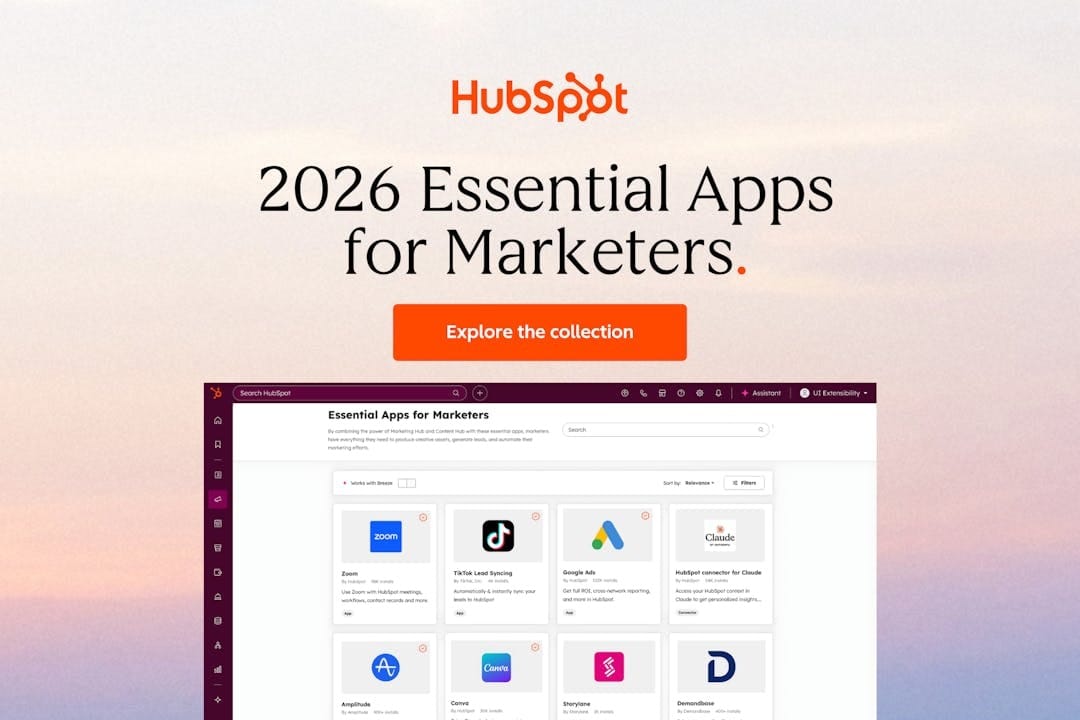
You have more tools than ever. So why does it feel like critical context is still missing?
HubSpot's 2026 Essential Apps for Marketers collection brings together 14 apps across creative, ads, events, and more, so the context you need travels with every campaign, decision, and handoff.
⚡STORM Turns Personal Stories Into Structured Persuasion
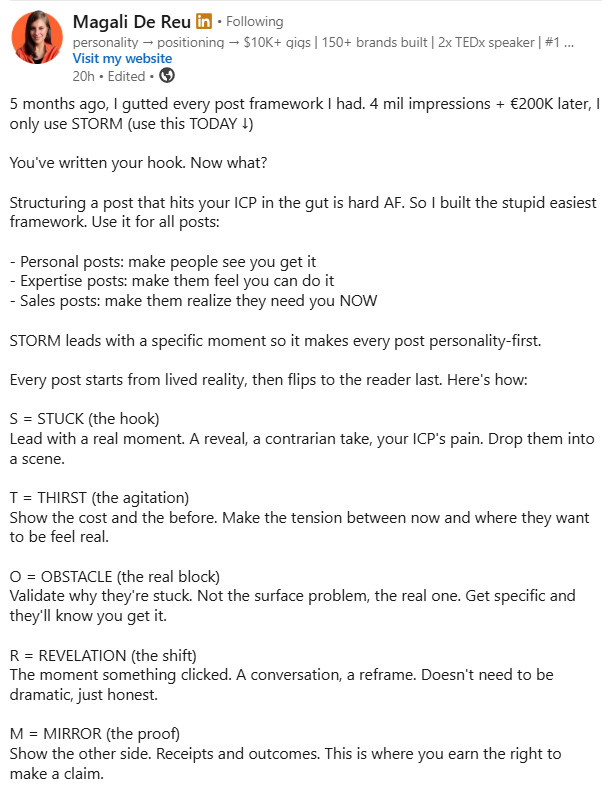
This framework structures content around emotional progression instead of generic educational posts. It starts with a relatable moment, builds tension, identifies the deeper obstacle, introduces a perspective shift, and ends with proof. The goal is to move readers from recognition to urgency through narrative sequencing.
Why it works: Stories create emotional engagement faster than abstract advice. Structured tension and resolution help readers see themselves in the problem and believe the solution is achievable. This increases memorability and conversion intent.
Where it needs balance: Strong frameworks can become formulaic when overused. Not every audience responds to emotionally driven storytelling. Without genuine insights or specificity, the structure risks feeling manufactured instead of persuasive.
🎥 Reel of the Day
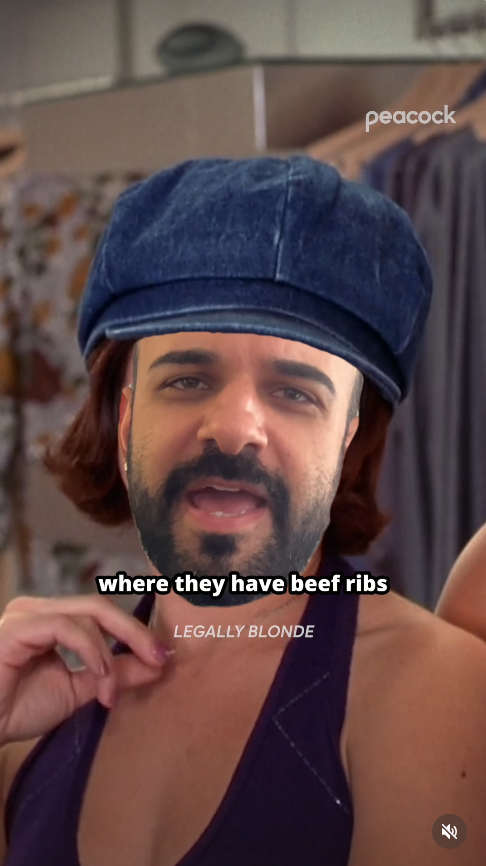
What Works:
Narrative Hijacking - The reel steals emotional momentum from an iconic movie scene that viewers already subconsciously respect. Instead of building tension from zero, the brand borrows pre-loaded cinematic tension, then redirects attention toward barbecue humorously.
Meme Timing Precision - The funniest moment happens exactly when emotional seriousness peaks. Comedy lands harder because the interruption occurs during maximum tension, not before. Great meme marketing weaponizes timing more than jokes themselves ever do.
Low-Friction Brand Recall - Nobody remembers restaurant addresses from ads anymore. They remember strange emotional moments. Associating “Third Wave BBQ” with a culturally famous interruption scene creates a retrieval memory far stronger than direct promotion ever could.
Do not remake famous scenes faithfully. Invade them. Insert your brand exactly where audiences emotionally expect seriousness, then break tension with something absurdly specific, unexpected, and deeply tied to your product category.
Advertise with Us
Wanna put out your message in front of over 40,000 best marketers and decision makers?
Thanks for reading this edition! Keep pushing boundaries, testing ideas, and staying inspired. See you in the next edition with more ways to ignite your marketing success. 🥰