The creator metric misleading you
👀The metric most brands check at the 30-day mark is hiding which creators are actually worth keeping, Personal branding needs a conversion path, and more!
Welcome to a space where every edition delivers insights, strategies, and inspiration to fuel your advertising brilliance. 🤯
👀The creator metric misleading you
Thirty-day creator reviews usually focus on the easiest number to pull: conversions. How many sales did this creator generate? How much commission have they earned? It’s a sensible place to start, but it doesn’t necessarily tell you which creator is building long-term value.
A creator who drives 100 one-time customers and a creator who brings in 40 customers who keep buying are creating two very different businesses, even if the first one wins the 30-day report.
Conversion is the outcome. Repeat purchase is the quality check.
The first sale tells you a creator convinced someone to try the product.
The second purchase tells you something much more valuable: whether that recommendation created a real customer or simply captured a moment of curiosity.
Those aren’t interchangeable outcomes, and treating them as if they are is why volume-heavy creators often receive larger budgets while quieter creators with stronger long-term audiences get overlooked.
You don’t need to wait a year to see this either.
By the 30 to 45-day mark, many referred customers have already shown whether they’re coming back. Looking at repeat purchase rate alongside first-order conversions gives a much clearer picture of audience quality than conversions alone ever can.
Build the checkpoint around customer quality
This matters because many commission structures already claim to reward lifetime value.
If lifetime value is the objective, then the review process should measure signals connected to lifetime value rather than only counting first purchases.
A creator producing fewer initial sales but consistently stronger repeat behaviour is often creating far more long-term value than someone generating large bursts of one-time orders.
That’s exactly the thinking behind Levanta’s 90-Day Holiday Sprint, which encourages brands to review creator partnerships through structured 30, 60 and 90-day checkpoints while aligning commissions with long-term customer value from the beginning You can download the free playbook before holiday planning begins.
The best creator usually isn’t the one who generated the biggest first month.
It’s the one whose customers are already choosing to come back before the quarter is over.
Together with Omnisend
Everyone’s talking about AI. Here’s how three email marketing experts are actually using it.
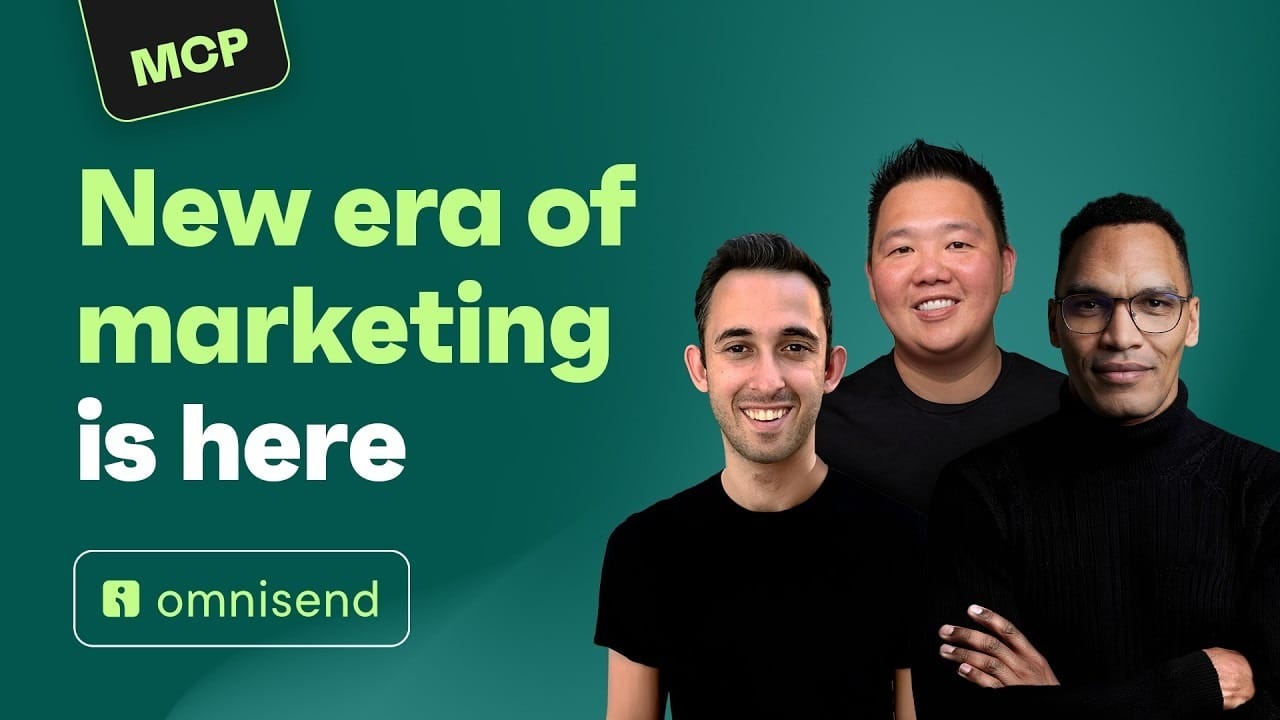
You can read a hundred takes on AI and still have no idea what anyone actually types into it. So, we asked three experts to show us.
Jimmy Kim, founder of eCom Email Marketer, Chase Dimond, co-founder of eCom Email Marketer, and Bernard Meyer, AI Operations Manager at Omnisend, walk through how they use AI in their day-to-day work.
From pulling reports and analyzing campaign performance to spotting missed opportunities, they share the prompts and workflows that actually work. They also explain where AI still falls short and where human experience and judgment still matter most.
The session was recorded in ChatGPT, but Omnisend works with Claude too, so the same workflows carry over.
New to Omnisend? It’s an email and SMS marketing platform used by more than 150,000 ecommerce brands, generating an average of $79 for every $1 spent.
Migration is free, takes up to five business days, and plans cost up to 35% less than Klaviyo’s.
Watch the full 56-minute session, no signup required.
⚡ Personal branding needs a conversion path
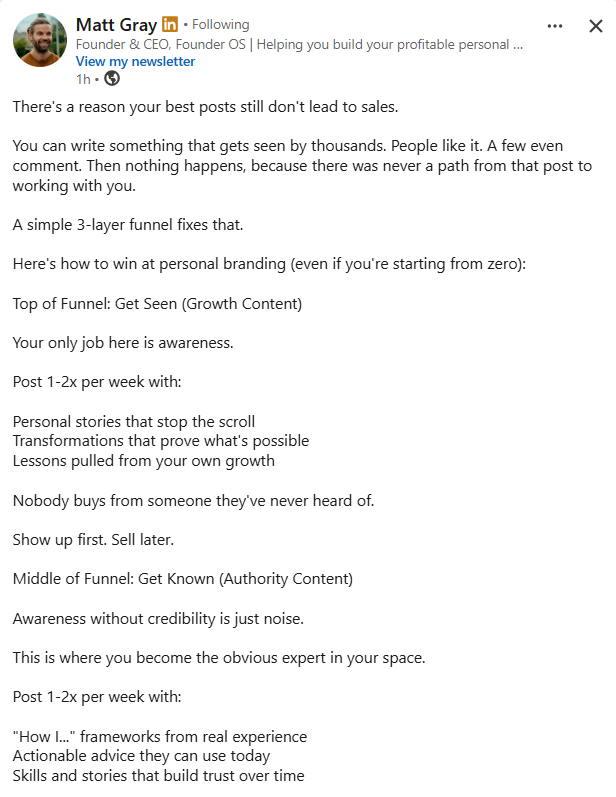
This framework treats personal content like a funnel. Growth content earns attention, authority content builds credibility, and lead content turns that accumulated trust into a clear next step.
Why it works: Different posts solve different problems. Stories create awareness, expertise creates trust, and conversion-focused content gives interested followers a reason to act instead of remaining passive readers.
Where it needs balance: Not every post needs to fit neatly into one funnel stage or contain a CTA. Over-structuring content can make a personal brand feel predictable and transactional. The strongest creators use the funnel as a portfolio strategy while keeping individual posts natural.
🎥 Reel of the day
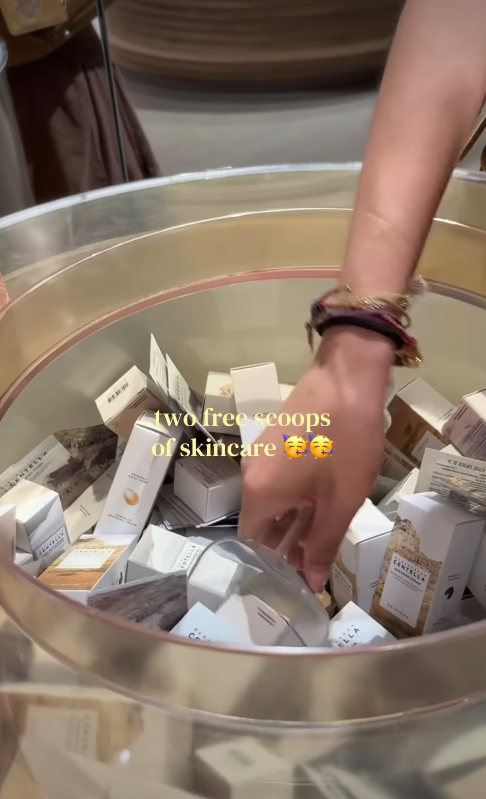
What Works:
The giveaway becomes a physical game. “Two free scoops” turns sampling into a challenge, making the act of receiving skincare entertaining enough to film, watch, and share.
Uncertainty creates the hook. Viewers immediately wonder how many boxes she can grab, creating natural suspense around something normally as boring as handing out free samples.
The reaction becomes the advertisement. Her excitement while grabbing products provides stronger social proof than polished brand messaging because viewers can instantly understand the perceived value.
Design giveaways around a mechanic, not a handout. Let customers grab, scoop, spin, choose or race for products. The participation creates suspense, reactions and UGC while the free product creates desire.
Advertise with Us
Wanna put out your message in front of over 40,000 best marketers and decision makers?
Thanks for reading this edition! Keep pushing boundaries, testing ideas, and staying inspired. See you in the next edition with more ways to ignite your marketing success. 🥰