The snapshot trap in AI search
📊A competitor gap analysis run once might just be measuring noise, Multichannel growth gets messier before it gets bigger, and more!
Welcome to a space where every edition delivers insights, strategies, and inspiration to fuel your advertising brilliance. 🤯
📊A Competitor Gap Analysis Run Once Might Just Be Measuring Noise
Traditional keyword gap analysis works as a single snapshot because rankings don't move much day to day. Find a keyword a competitor ranks for and a brand doesn't, and that gap is still real next week, next month, stable enough to act on the moment it's found.
AI citation doesn't behave the same way, and running gap analysis against it with the same one-and-done habit produces a result that can be mostly noise dressed up as a finding.
The volatility is well documented at this point: only 30% of brands stay visible in an AI answer from one run to the next, and just 20% show up across five repeated runs of the same prompt.
Applied to competitor gap analysis specifically, this means checking once, on one day, and seeing a competitor cited where a brand isn't, might be catching a real, persistent gap, or might be catching a single unlucky run that would look completely different checked again tomorrow. Both outcomes look identical from inside a single snapshot.
The fix borrows from how any noisy measurement gets handled elsewhere: sample repeatedly before trusting the result.
Running the same set of competitive prompts across several separate days, not once, and only treating a gap as real when a competitor wins consistently across most or all of those runs, separates an actual, actionable pattern from a single day's noise.
A gap that shows up once out of five checks is weak evidence. A gap showing up five times out of five is a real competitive hole worth building content specifically to close.
Doing this by hand means manually rerunning the same prompt set on a schedule and logging results across days, a repeatable process most teams try once and abandon because tracking it manually gets tedious fast.
Semrush One's visibility gap analysis is built to run this kind of repeated competitive check systematically, showing which prompts and topics competitors are consistently winning against a brand's own citation, not just what showed up in a single check that might not hold up tomorrow. You can try Semrush One free for 7 days and run the same competitive prompt set at least three separate times before trusting any single gap enough to build a content plan around it. A snapshot that looks alarming on day one and disappears by day three was never the finding. The pattern that survives repeated checking is.
Together with AirOps
Your AI Visibility Can Disappear Before Tomorrow
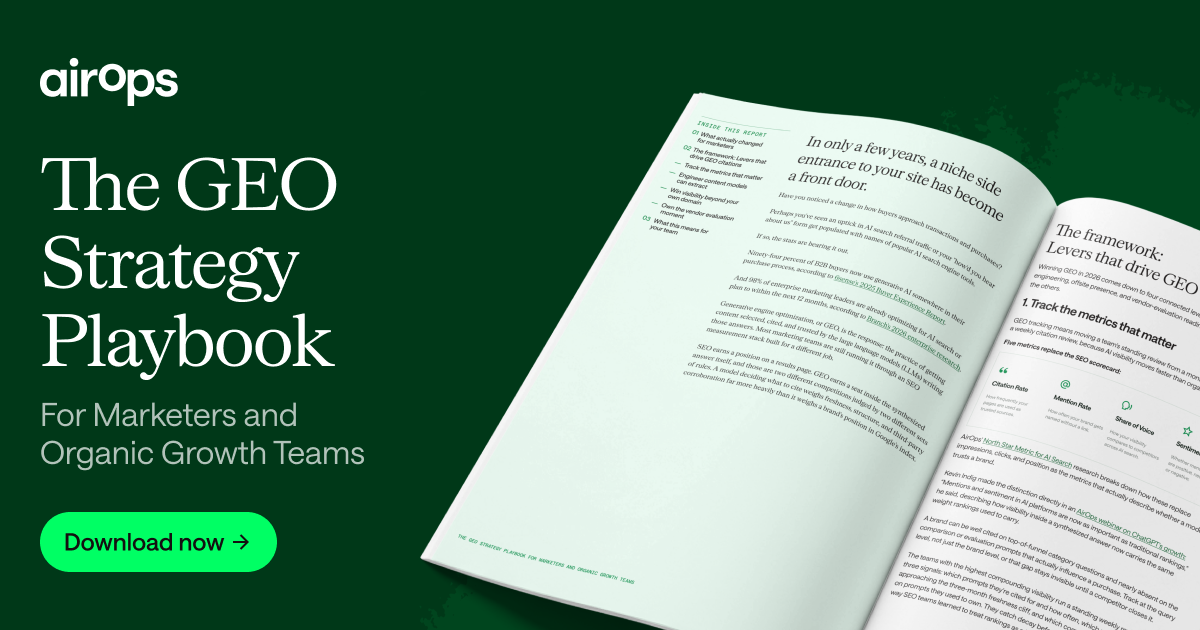
Your brand can appear in an AI answer this morning and disappear by afternoon. That volatility quietly redirects high-intent buyers toward competitors while your SEO reports show nothing unusual.
AirOps built The GEO Strategy Playbook to map the system behind brands that stay visible across repeated AI searches.
You’ll learn how to:
- Find the purchase-intent prompts where competitors are replacing you before those losses reach the pipeline.
- Identify the external pages shaping AI recommendations, so you know exactly where stronger brand coverage can influence the shortlist.
- Turn proprietary data and expert insight into quotable proof that models can confidently use.
Only one in five brands remained visible across five identical AI searches. If you are checking quarterly, you may be measuring visibility your brand has already lost.
You’ll walk away knowing what drives AI citations and how to track where your brand gains or loses visibility each week.
⚡ Multichannel growth gets messier before it gets bigger
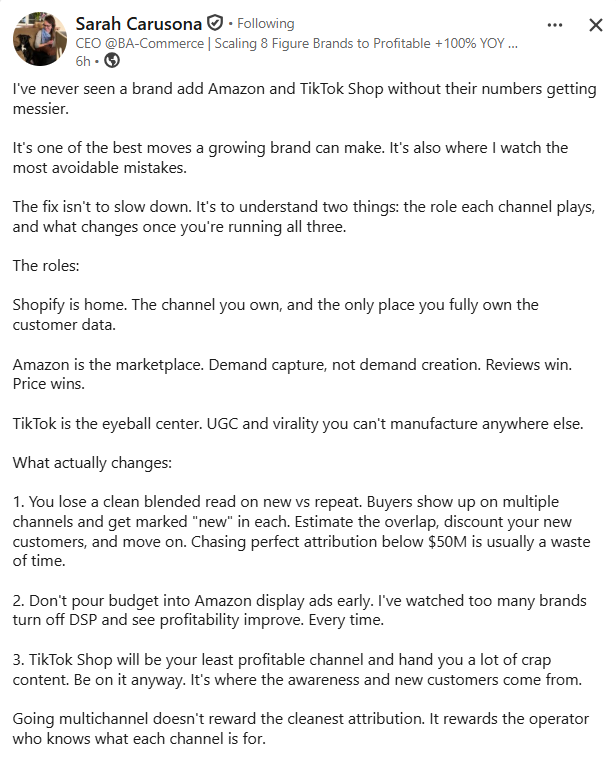
This framework argues that Shopify, Amazon, and TikTok Shop shouldn't be judged identically. Each plays a different role: Shopify owns the customer relationship, Amazon captures existing demand, and TikTok helps create discovery and awareness.
Why it works: Giving each channel a defined job prevents teams from optimizing everything against the same metrics. It also makes imperfect cross-channel attribution easier to manage because decisions are based on each channel's strategic contribution.
Where it needs balance: The channel roles aren't absolute. Amazon can drive discovery, TikTok Shop can become profitable, and cross-channel measurement matters well below $50M for some brands. The principle is useful, but channel economics should determine the strategy.
🎥 Reel of the Day
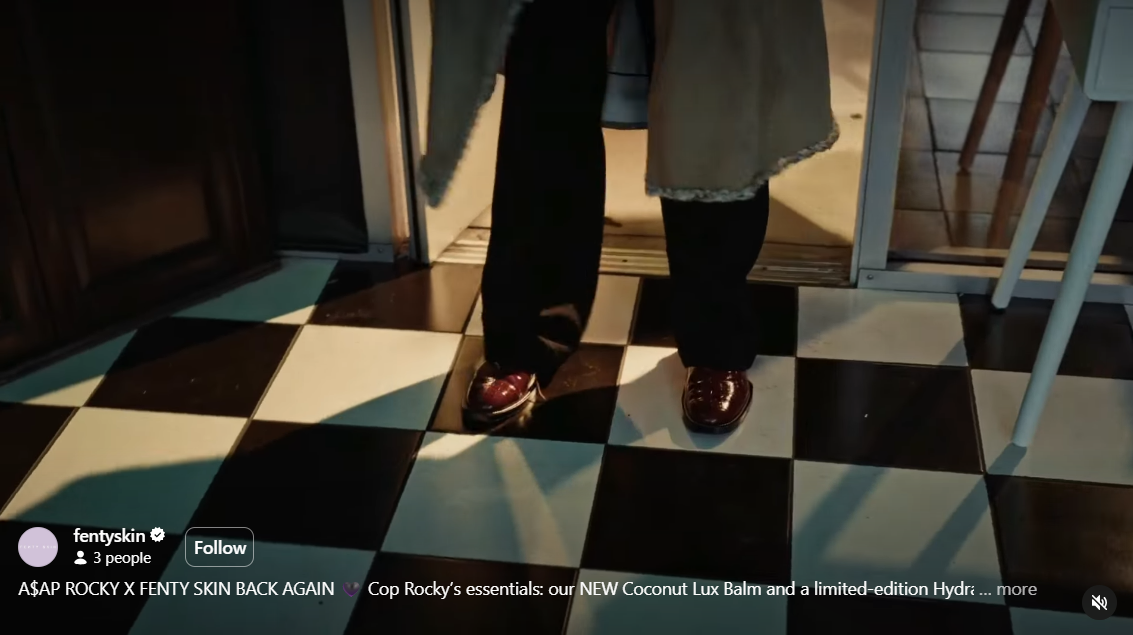
What Works:
It sells a world before it sells skincare. The nighttime salon, neon lighting, crowded chairs and cinematic framing make Fenty Skin feel like part of a living cultural universe.
The salon setting makes product education entertaining. Instead of explaining benefits against a blank studio backdrop, every product becomes part of treatments, conversations and transformations happening around the room.
Rihanna’s presence creates anticipation without dominating everything. She feels naturally embedded inside the Fenty universe, giving the film star power while allowing the concept and products to remain memorable.
Stop treating product education like an explanation. Turn it into a scene. Give products characters, environments, rituals and visual roles, so viewers learn what they do while watching something that feels like entertainment.
Advertise with Us
Wanna put out your message in front of over 40,000 best marketers and decision makers?
Thanks for reading this edition! Keep pushing boundaries, testing ideas, and staying inspired. See you in the next edition with more ways to ignite your marketing success. 🥰