Too many Meta ad sets
🧮 Meta says ad sets with fewer than 50 weekly conversions cost more per purchase, so count how many your budget can actually support, Email marketing should match a brand’s growth stage, and more!
Welcome to a space where every edition delivers insights, strategies, and inspiration to fuel your advertising brilliance. 🤯
Together with AirOps
See how competitors are selling inside ChatGPT
You probably know what competitors say on their websites. But what message are they putting in front of people asking ChatGPT for help?
Seeing their pitch can help you decide how to position your own offer.
The AirOps ChatGPT Ad Library lets you search by brand name or domain to see competitor ad messaging and the prompts where those ads appeared. With 6,000+ brands listed, there’s plenty to explore before you write your own brief.
See how a competitor positions its offer in a specific conversation. Then consider what would make yours worth a click.
Use what you find to choose a stronger messaging angle and give your team a concrete reason to test it.
Before you spend on your first test, see how competitors are making their pitch.
🧮 Weekly budget ÷ (CPA × 50): The Meta formula to run before peak week
Max ad sets = weekly budget ÷ (cost per purchase × 50)
Meta published that formula in a peak-season post on October 21, reported by PPC Land. Its example: $20,000 a week at a $40 cost per purchase supports 10 ad sets. The reasoning is that ad sets with fewer than about 50 weekly conversions cost roughly 28% more per purchase. Meta didn't share the sample or method behind that figure, so treat it as directional.
Holiday auctions add pressure. Meta's Q3 results showed average price per ad up 14% year on year, and peak weeks run hotter than average.
Plug in your numbers
At $12,000 a week and $60 per purchase, the formula allows 4 ad sets. If you're running 11, most can't reach 50 conversions, and each learns slowly, which costs the most.
What to merge first
Rank candidates in this order:
- Ad sets with near-identical audiences and the same offer
- Ad sets split only by placement or device
- Ad sets created to test one creative idea, which can live as ads inside a bigger ad set
What stays separate
Keep a split only where the message genuinely differs. Prospecting and existing customers usually earn separate ad sets. So does a distinct offer, such as a bundle aimed at gift buyers.
The peak-week recount
Cost per purchase rises in late November, and the same budget then supports fewer ad sets. Picture a brand spending $30,000 a week at $50 per purchase. The formula gives 12. If Black Friday pushes cost per purchase to $65, the answer drops to about 9.
Plan for 9 from the start. Merging on Black Friday resets learning at the worst moment.
Where tests go now
Test hooks and formats as new ads inside consolidated ad sets. You keep the learning volume and still get creative answers. Give each new ad at least a few days and a meaningful share of spend before judging it, and retire losers by pausing the ad, never by splitting the ad set again.
Track weekly
- Conversions per ad set
- Share of ad sets above 50
- Blended cost per purchase before and after merging
Ten-minute task
Export last week's ad set results, count how many cleared 50 conversions and run the formula on your planned Black Friday budget at a higher, peak-week cost per purchase. The gap between those numbers is your consolidation job.
⚡ Email marketing should match a brand’s growth stage
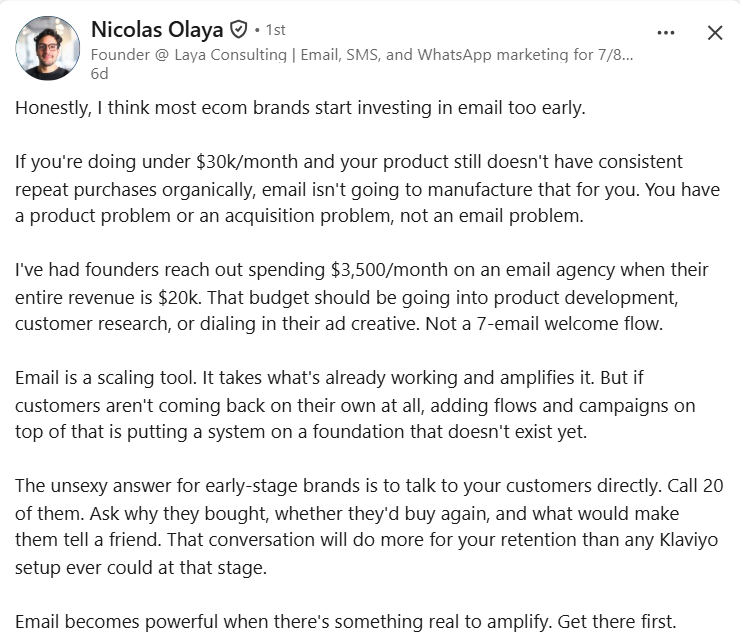
This framework argues that early-stage ecommerce brands should prioritize product-market fit, customer acquisition, and retention fundamentals before investing heavily in email marketing. Automated flows cannot compensate for weak product demand or poor customer experiences.
Why it works: Customer research and purchase behavior reveal why people buy and whether they're likely to return. Addressing those fundamentals first helps brands avoid expensive email programs that generate limited incremental revenue.
Where it needs balance: The $30k monthly revenue threshold isn't universal, and organic repeat purchases aren't necessary for every product category. Even smaller brands can benefit from basic welcome, abandoned-cart, and post-purchase flows. The key is matching email investment to customer behavior, available revenue opportunities, and expected returns.
Together with Insense
Running creators from spreadsheets and DMs? Get 40+ hours back.
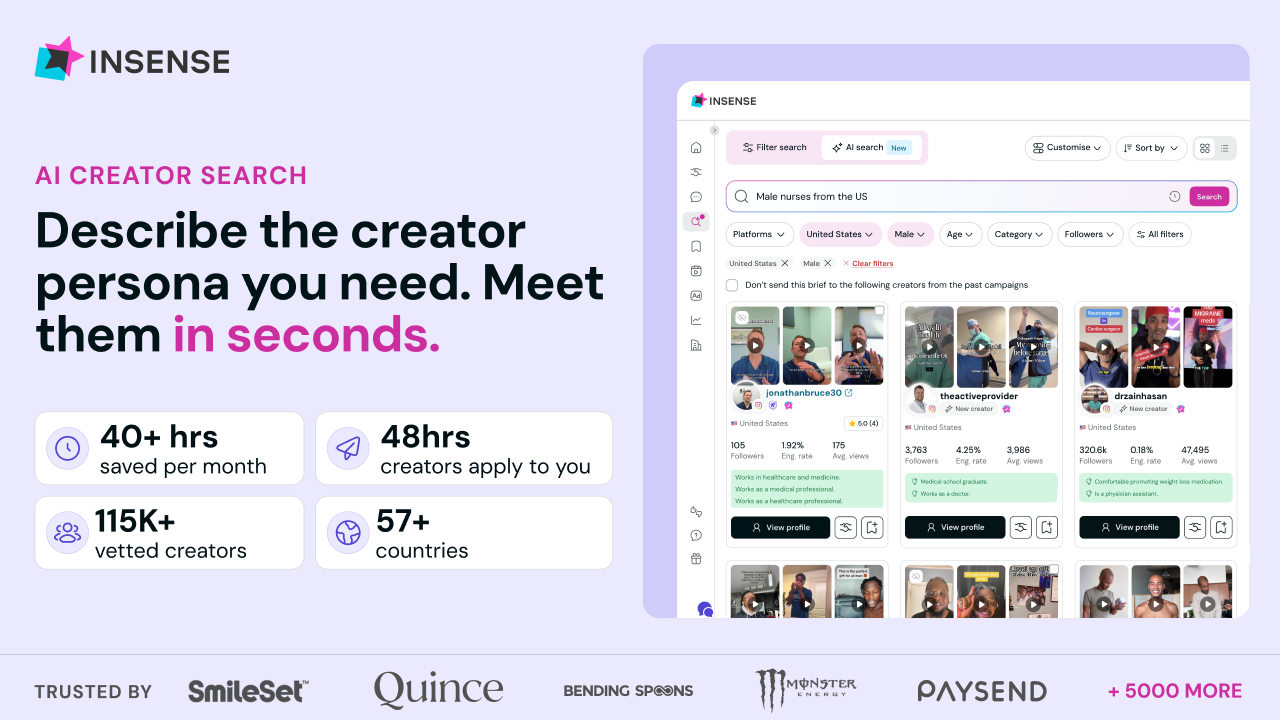
Most creator programs run on one person: a spreadsheet, a full inbox and dozens of DMs that never get a reply.
Insense takes the manual work out:
- Post one brief and vetted creators apply to you, usually within 48 hours
- Automated agreements, approvals, and payments in one place
- Updates from your campaigns in Slack, Claude, or ChatGPT; check all collab statuses in one message and review content deliverables directly in your chat or Slack channel
Save 40+ hours on creator ops and spend that time on strategy and testing.
Book a free strategy call by October 30th and get $200 toward your first campaign.
🎥 Reel of the Day
What Works:
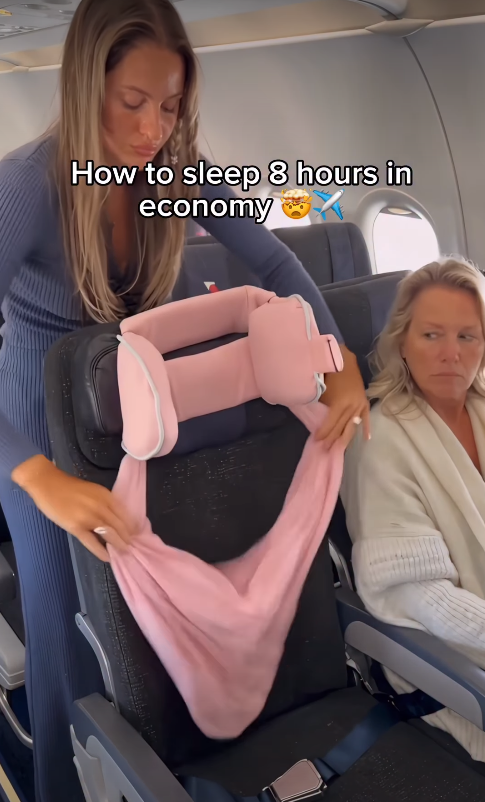
1. Relatable Problem, Instant Hook - “How to sleep 8 hours in economy” targets a universal travel struggle. The promise of comfortable sleep in cramped airplane seats immediately captures attention.
2. Visual Demonstration Sells the Solution - Instead of explaining product features, the reel shows the travel pillow transforming an uncomfortable seat into a cozy sleeping setup, making its value instantly understandable.
3. Comment-to-DM Converts Attention - The caption offers 50% off for commenting “TRAVEL,” turning curious viewers into potential leads while encouraging comments and purchase intent.
Lead with a relatable frustration, demonstrate an unusual solution visually, and use a compelling offer to convert curiosity into action. Products that spark debate can generate engagement beyond traditional demonstrations.
Advertise with Us
Wanna put out your message in front of over 40,000 best marketers and decision makers?
Thanks for reading this edition! Keep pushing boundaries, testing ideas, and staying inspired. See you in the next edition with more ways to ignite your marketing success. 🥰