Email one is the problem
🚀 It converts easy buyers and trains everyone else to wait, and more!
Welcome to a space where every edition delivers insights, strategies, and inspiration to fuel your advertising brilliance. 🤯
🚀 Email one is the problem
The welcome sequence has a statistical problem most accounts never look at. Benchmark data across 30 ecommerce brands shows 30-day prospect-to-customer conversion rates ranging from 8% at the bottom decile to 49% at the top.
The gap is real and the cause is specific: the discount in email one is doing the opposite of what it's meant to do for the majority of subscribers who receive it.
Here is the mechanism. A new subscriber enters the welcome sequence somewhere on a spectrum of purchase readiness. A small percentage, the ones who were already close to buying when they signed up, will convert on email one regardless of what it contains, because the discount simply removes the last friction point.
These are the conversions the sequence takes credit for. The remaining subscribers, the ones who needed nurturing, needed to believe the problem was real before they'd care about the solution, needed a specific objection resolved before an incentive would move them, they see the discount in email one and learn something: this brand sends discounts early. If they don't buy, the rational move is to wait. The sequence has accidentally trained them out of converting on urgency later.
This is why welcome sequences with aggressive early discounting consistently show high email-one conversion rates and flat email-four and email-five conversion rates. The easy buyers converted immediately. Everyone else is waiting for the next promotional email.
The sequences producing top-decile conversion rates run a different order. Email one establishes the problem in language the right subscriber immediately recognizes. Email two delivers proof from customers in their exact situation.
Email three addresses the specific objection that stops this audience. Email four introduces the offer. Email five creates genuine urgency on the expiry. By the time the incentive appears, the subscriber has been given four reasons to care about it. The discount isn't the reason to buy. It's the reason to buy now.
Omnisend connects to ChatGPT and Claude so your AI can read where subscribers are actually dropping off inside your live sequence, not where you think they are, and draft the replacement emails from that data. You can connect Omnisend to your AI now
The 6x conversion gap between the bottom and top decile is not a creative gap. It is a sequencing gap. The subscribers are there. The sequence is just sorting them instead of converting them.
Together with Dreem
Every SKU needs 60 assets. You're making two.
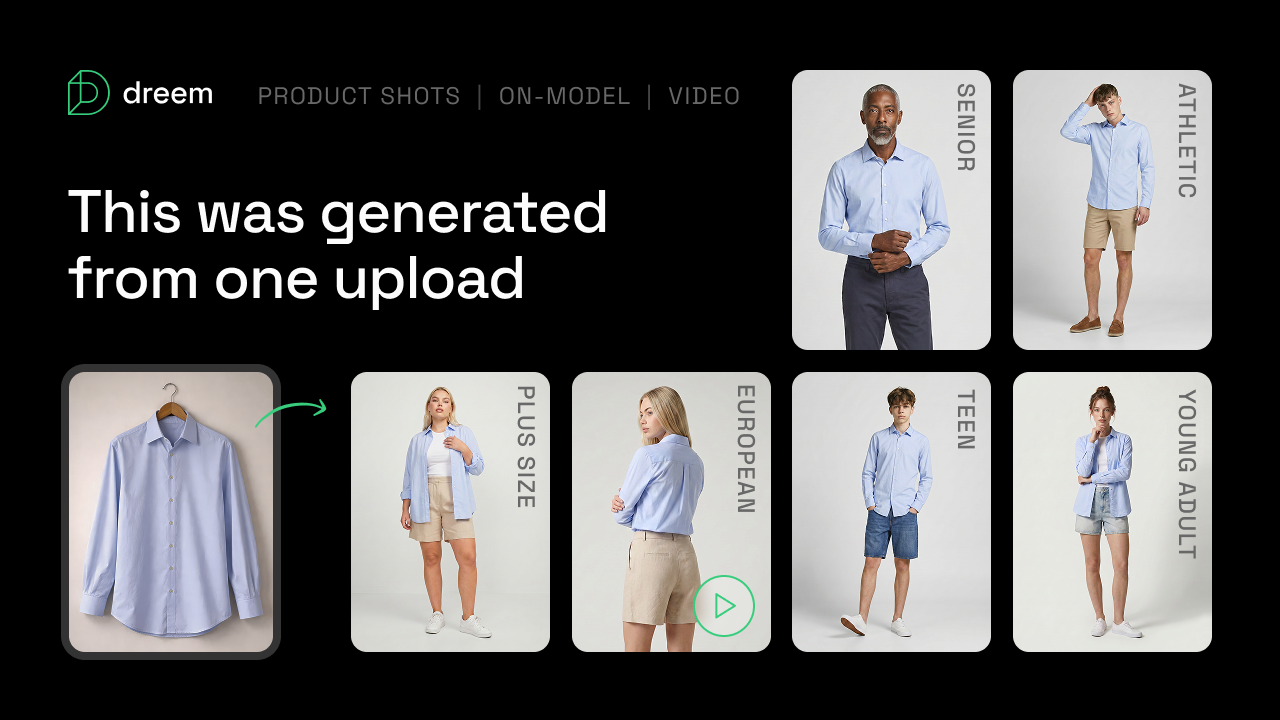
One model, one lighting setup, one PDP shot, and you call it done.
Here's the actual math: 4 segments × 5 channels × 3 formats = 60 assets per SKU. At $5K a shoot, most brands make a handful and call it a launch. The other 50+ never get shot - so your paid team recycles the same three creatives for a year.
Dreem makes the other 58.
Upload one product image and get model shots across 400+ virtual talents covering every body type, age, ethnicity, and size, product shots front and back, and video ready for your PDP, paid and organic.
Different looks, different styles, different audiences, all from one upload.
Your customers aren't all the same. Your content probably looks like it thinks they are.
Sign up before July 30 and you get 600 bonus credits, enough for 50 full per-segment kits on your top SKUs.
⚡AI Coding Scales Better When It Understands Product Intent, Not Just Code
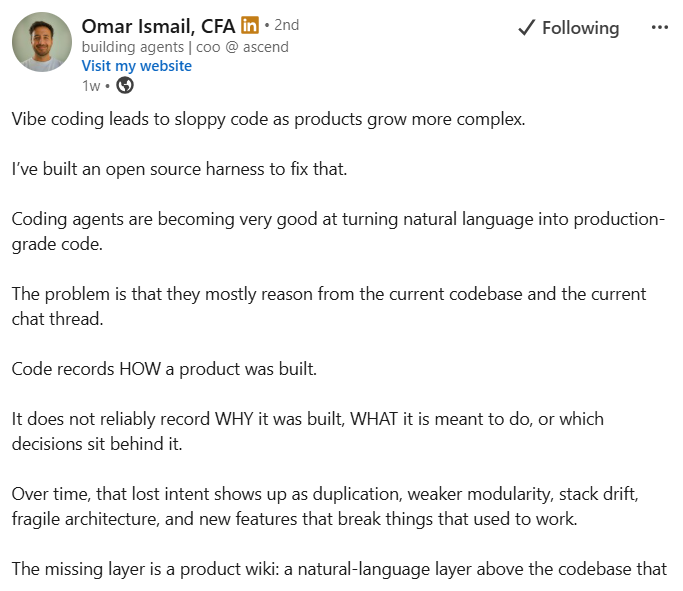
This framework argues that AI coding tools often fail as projects grow because they optimize from existing code rather than the reasoning behind it. A product wiki acts as an intent layer, capturing goals, rules, user journeys, and design decisions so AI can generate code that stays aligned with the product's architecture over time.
Why it works: Code explains implementation, but not purpose. By documenting product intent in natural language, AI agents gain the context needed to make consistent architectural decisions, reduce duplication, preserve modularity, and generate features that fit the broader product vision instead of simply extending the current codebase.
Where it needs balance: A product wiki is only valuable if it remains accurate. Outdated documentation can mislead both developers and AI, creating as many problems as missing documentation. The strongest workflows treat the wiki as a living artifact that evolves alongside the codebase rather than a one-time specification.
🎥 Reel of the Day
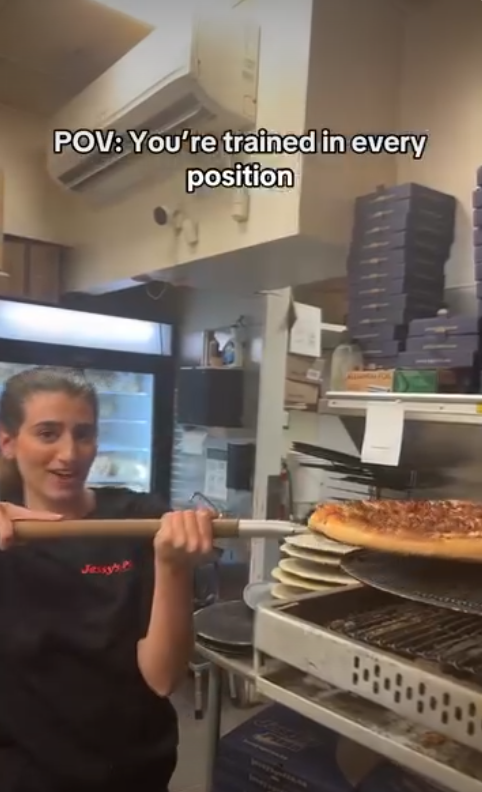
What Works:
Trend Hijacking - Using a widely recognized Kim Kardashian audio creates instant familiarity, letting viewers focus on the visual joke instead of understanding new context.
Operational Proof - Each quick cut showcases another restaurant role, subtly proving versatility while entertaining instead of making obvious claims about hardworking employees everywhere
Culture Over Product - Rather than selling pizza, the reel sells workplace culture. People connect with fun teams first, making products feel more approachable afterward.
Pair trending audio with everyday business realities, using fast visual role changes to entertain while subtly demonstrating expertise, culture, and operational excellence.
Advertise with Us
Wanna put out your message in front of over 40,000 best marketers and decision makers?
Thanks for reading this edition! Keep pushing boundaries, testing ideas, and staying inspired. See you in the next edition with more ways to ignite your marketing success. 🥰