The myth costing days of the Ad budget
🫤When conversion drops, the ads break, and more!
Welcome to a space where every edition delivers insights, strategies, and inspiration to fuel your advertising brilliance. 🤯
🫤The Myth That Costs You Three Days of Ad Budget Every Time
The myth: when conversion drops, the ads broke.
It is a reasonable assumption. The ads are what changed. The targeting was adjusted, the creative rotated, the budget shifted. So when conversion falls, the instinct is to look at the ad account. Pull the audience breakdown. Check creative frequency. Review the pacing. Look for what changed.
The reality, documented across three separate accounts in the same month:
Brand one switched their landing page to dark mode. Conversion fell from 1.3% to under 0.8% overnight. The team spent two days auditing targeting and creative. The store had changed the day before.
Brand two shipped a cleaner collection page design on a Tuesday. Conversion dropped 23.5% by end of day. The team pulled the campaign and reviewed audience overlap. Nobody checked the store. It was rolled back the same day once someone finally connected the timing, after three days of wasted spend.
Brand three had a buy-button bug on mobile. Ninety-eight percent of their traffic was on mobile. Conversion went from approximately 10% to under 1%. The first instinct in every room was that something had changed with the campaign. Nothing had changed with the campaign.
The attribution masking problem is structural. When a store change degrades conversion, the signal appears in ad data as a campaign performance problem: rising CPAs, falling ROAS, declining conversion rate.
The data is accurate. The cause is invisible to anyone looking at the ad account and the store through separate tools with separate owners. The gap between those two ownership lines is where store problems hide and ad budgets disappear.
The standard diagnostic sequence when performance drops, check targeting, check frequency, check creative, check budget pacing, is a sequence designed to find ad problems. It will always find candidate explanations inside the ad account even when the actual problem is a broken checkout button.
Run this before you touch any setting: open your own site on a fresh device, attempt to complete a purchase as a new customer, check the mobile add-to-cart button, and verify the landing page the ads point to actually renders correctly.
This takes four minutes. It rules out the entire category of problem that produced three avoidable account failures above. Make it the first step every time, not an afterthought.
Together with Insense
Turn One Creator Drop Into Weeks of Q5 Ads
Mid-year reviews land this week, and everyone's pulling up the same ad set that's been running since April.
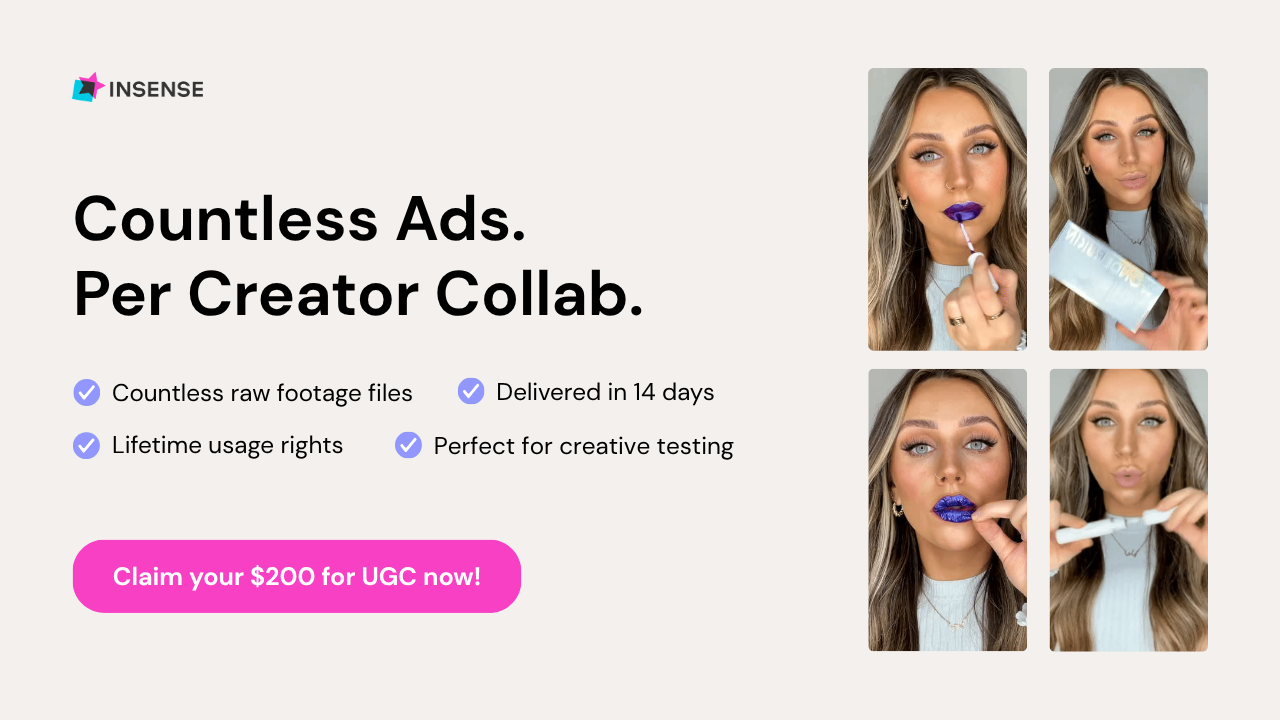
This is exactly where Insense saves you. You get fast, affordable UGC at the volume Q3 demands without blowing up your team's bandwidth.
- 20+ raw assets from each creator you can spin into dozens of variations.
- 14-day turnaround so you never fall behind rising CPMs.
- Lifetime usage rights, so every winning cut keeps earning for months.
Over 3,500+ brands like Quip, Revolut, and Matys use Insense for one reason: it keeps creative supply high when everything else slows down.
Imagine finishing Q2 with a full folder of fresh ads ready to deploy instead of praying old winners magically revive.
Book a free strategy call and get $200 for your first campaign.
⚡Great Hooks Come From Deliberate Iteration, Not First Draft Inspiration
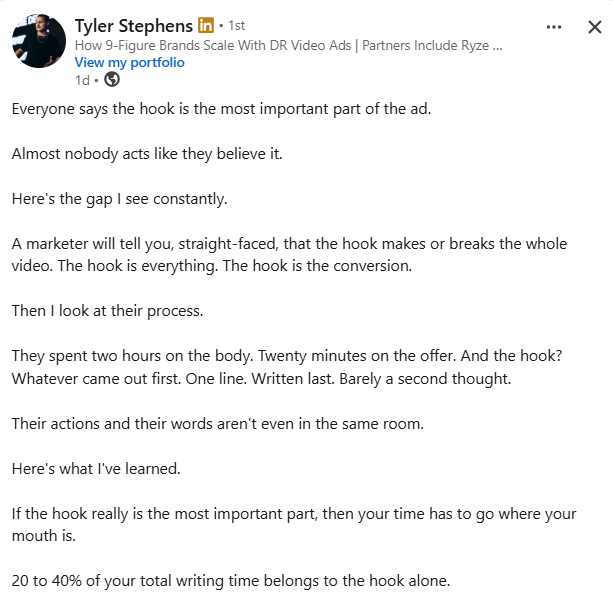
This framework argues that marketers often acknowledge the importance of hooks but fail to allocate time accordingly. If the opening seconds determine whether the rest of the ad gets seen, then the hook deserves a disproportionate share of the creative process. Strong hooks are typically discovered through volume and refinement, not immediate inspiration.
Why it works: The first few hook ideas are usually the most obvious and predictable. Writing multiple variations forces creators beyond familiar angles, increasing the chances of finding a message that feels fresh, captures attention, and improves view-through rates before the core selling begins.
Where it needs balance: A stronger hook cannot compensate for a weak offer, poor creative strategy, or irrelevant message. Spending excessive time perfecting the opening while neglecting the rest of the ad can also create a disconnect. The most effective ads pair an exceptional hook with equally strong storytelling and conversion mechanics.
🎥 Reel of the Day
What Works:
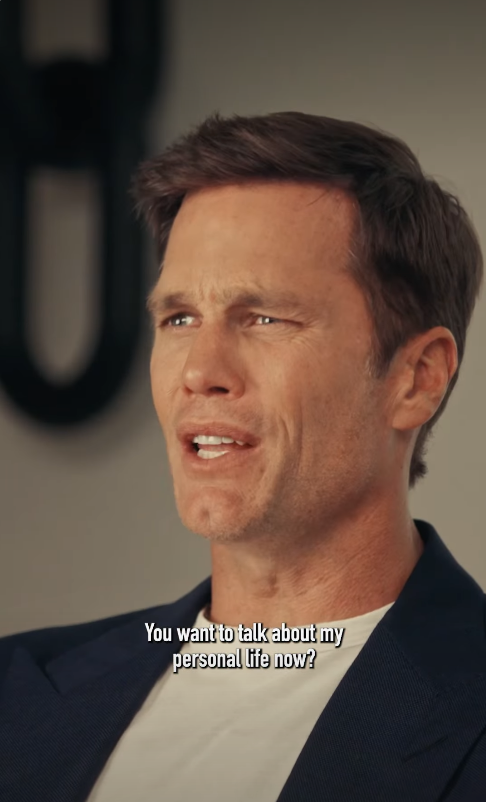
Narrative Misdirection - The reel opens like a celebrity interview, making viewers expect personal revelations before cleverly redirecting attention toward the product and message.
Celebrity Credibility - Tom Brady's calm, self-aware humor makes the endorsement feel authentic because audiences trust personality-driven recommendations more than scripted testimonials.
Visual Proof - Showing air-quality percentages changing alongside smoke provides tangible evidence, replacing vague marketing claims with something viewers can immediately understand visually.
Start sponsored content around unexpected entertainment, curiosity, or conflict first, then position your product as the satisfying resolution audiences naturally accept.
Advertise with Us
Wanna put out your message in front of over 40,000 best marketers and decision makers?
Thanks for reading this edition! Keep pushing boundaries, testing ideas, and staying inspired. See you in the next edition with more ways to ignite your marketing success. 🥰