No campaign but massive numbers?
🚀The highest-converting traffic in your store has no campaign behind it, and more!
Welcome to a space where every edition delivers insights, strategies, and inspiration to fuel your advertising brilliance. 🤯
🚀The Highest-Converting Traffic in Your Store Has No Campaign Behind It
A shopper asks ChatGPT for the best running shoes for flat feet under $150. The answer names three brands. She clicks through to one of them, lands on a product page she has never seen, and buys in under four minutes. In your analytics, she is direct traffic.
No campaign, no ad set, no attribution. And she converted at a rate your paid traffic has not touched all quarter.
This segment is growing in nearly every store that checks for it. Shoppers arriving from ChatGPT, Perplexity, and Gemini recommendations convert above traditional referral traffic because the AI already did the consideration work: it compared options, matched the product to a stated need, and delivered the shopper pre-sold. They are not browsing. They are completing a decision made somewhere you cannot see.
Finding the segment requires deliberate setup because default analytics buries it. Referral sources from AI platforms pass identifiable referrer strings in most cases: chatgpt.com, perplexity.ai, gemini.google.com.
Build a dedicated channel group for these sources in your analytics platform and backdate the view as far as your data allows. The volume will look small. Check the conversion rate and revenue per session before dismissing it, because the efficiency is where the story is.
Then treat the landing experience differently. An AI-referred shopper arrives mid-decision, often deep-linked to a product page, carrying specific expectations set by the AI's description.
The product page has to confirm what the AI said quickly: the specific use case, the price point, the differentiator that got the recommendation. If the AI told her these shoes suit flat feet, and the page leads with brand storytelling instead of the fit and support details, the match breaks and the pre-sold shopper leaves.
The measurement discipline to build now: track AI referral share monthly, note which products get recommended, and read the AI answers for your top category queries yourself so you know what your traffic was told before it arrived.
This channel cannot be bought yet. It can only be earned and understood, and the stores doing both are quietly collecting the cheapest high-intent traffic available anywhere right now.
Together with The Shift
Stop googling AI tools at midnight.
There are over 3,000 of them in The Shift’s vault, already vetted, ready to explore.
Subscribe and get instant access to the tool vault, a 500+ prompt library, and free AI courses built for people with actual work to do.
Plus, the daily newsletter that keeps you sharp on everything moving in AI in under 5 minutes a day.
They’re also giving away a free 1-year Claude Pro subscription to 3 subscribers.
Subscribe for free to enter. All free. All in one place.
⚡ Psychology Improves Conversion Only When It Reinforces Real Value
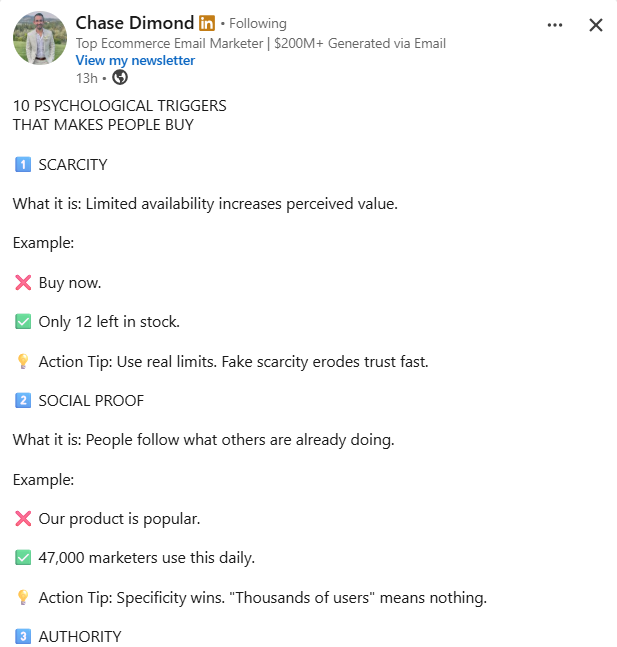
This framework summarizes ten well-known persuasion principles that influence purchasing decisions, from scarcity and social proof to authority and reciprocity. Rather than relying on one tactic, effective marketing combines multiple psychological triggers to reduce uncertainty and help customers make confident decisions.
Why it works: People rarely make decisions based on logic alone. Signals like credibility, popularity, urgency, and commitment reduce perceived risk and simplify choices. When these triggers are genuine and aligned with customer value, they increase trust and improve conversion rates.
Where it needs balance: Psychological triggers are amplifiers, not substitutes for a strong product or offer. Fake scarcity, manufactured urgency, inflated social proof, or misleading authority may generate short-term lifts but damage long-term trust. The strongest brands use these principles to clarify value rather than manipulate customers.
🎥 Reel of the Day
What Works:
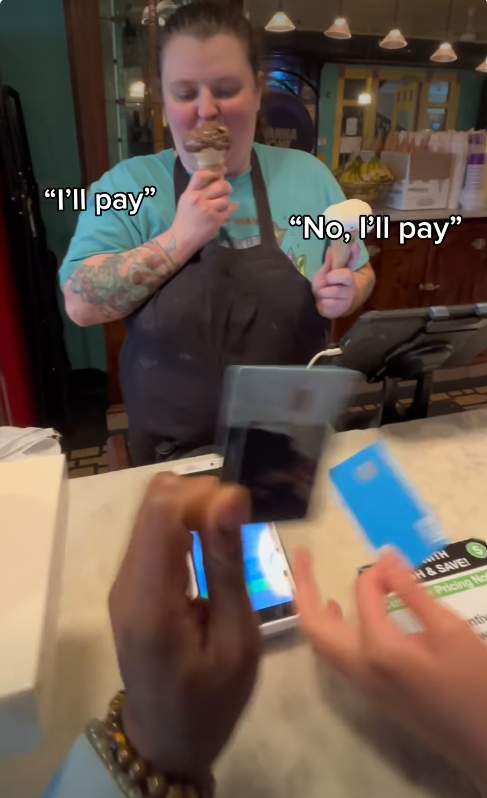
Relatable Humor - The classic “I'll pay” debate becomes instantly recognizable, making viewers laugh because they've experienced the exact awkward payment standoff themselves before.
Character Contrast - The employee casually eating both ice creams while customers argue adds unexpected comedy, giving the brand a playful personality instead of polished advertising.
Comment Magnet - The unresolved ending invites viewers to joke, pick sides, and quote their own payment experiences, naturally driving comments without directly asking engagement.
Turn everyday customer interactions into exaggerated comedic moments, allowing relatable human behavior to entertain while naturally keeping your brand at the center.
🥳Events
🔥 The Server Log Data Most SEO Tools Can't See Is Exactly What's Keeping Your Pages Out of AI Answers
July 9 | Virtual Event | Free
AI crawlers leave traces most teams never look for. Jairo Guerrero, founder of Organic Hackers, built his entire methodology around reading those traces, and on July 9 he's showing you exactly how to do the same. You leave with a checklist you can run against your own site the same week.
Advertise with Us
Wanna put out your message in front of over 40,000 best marketers and decision makers?
Thanks for reading this edition! Keep pushing boundaries, testing ideas, and staying inspired. See you in the next edition with more ways to ignite your marketing success. 🥰